

 United States
 Macau, China
 France
 Philippines
 Singapore
 Netherlands
 United Kingdom
 Canada
 Argentina
 Germany
 Estonia
 Peru
Peru Russia
 Australia
 South Africa
 Nigeria
 Malaysia
 Singapore
 India
India Finland
 China
China Ukraine
 Hong Kong
 Cyprus
 Turkey
 Greece
 Sweden
 South Korea
 Mexico
 Poland
 Ireland lottery results
 New Zealand lottery results
 Puerto Rico lottery results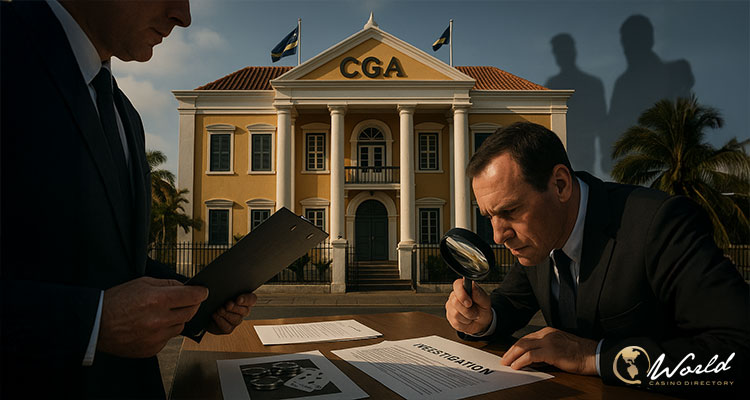
The Curaçao Gaming Authority (CGA), tasked with overseeing the island’s gambling sector, is now at the center of a criminal investigation. What was meant to be a fresh start for Curaçao’s troubled gaming industry now faces an uncertain future, as the Public Prosecutor’s Office (OM) delves into suspected irregularities within the regulator itself. This investigation marks a dramatic shift from the CGA’s original mandate to clean up the offshore gaming sector and impose transparency under the new National Ordinance on Games of Chance (LOK).
A New Era in Question
Curaçao has long been a dominant player in the global online gambling market, hosting thousands of operators benefiting from its gaming licenses. As reported by Antilliaans Dagblad, the introduction of LOK was hailed as a significant reform intended to replace the island’s outdated, opaque master license system, promising a more structured and trustworthy regulatory environment. However, recent developments suggest that the very agency responsible for implementing these reforms is now under scrutiny.
The investigation, confirmed by the Curaçao Financial Supervision Board (Cft) in a letter dated November 27, 2025, has raised serious concerns. Lidewijde Ongering, chairperson of the Cft, noted in her letter that the Cft is closely monitoring the investigation. The CGA is accused of “signals of irregularities” that have prompted legal action from the OM, although the specific nature of these irregularities remains unclear.
The timing of the investigation follows a tumultuous few months for the CGA. In mid-September 2025, the entire Supervisory Board of the CGA unexpectedly resigned, leaving the regulator in a state of leadership turmoil. By October, control of the CGA was transferred directly to Prime Minister Gilmar Pisas, who took over the oversight of the organization, shifting responsibilities away from the Ministry of Finance.
This change of leadership and the subsequent investigation into the CGA have cast doubt on the effectiveness of the reforms intended to bring Curaçao’s gaming industry into line with international anti-money laundering (AML) standards. Sources suggest that the investigation is a response to long-standing rumors of mismanagement, fraud, and operational irregularities within the regulator.
Crisis of Confidence
The CGA’s purpose was clear: to bring integrity and accountability to Curaçao’s gambling sector, making it more transparent and trusted by international banks, payment processors, and governments. However, as the investigation progresses, many are now questioning whether this new regulatory framework can deliver the promised reforms. The situation is further complicated by accusations of corruption within the Ministry of Finance, which had previously overseen gambling regulation, and the leaked audio of a heated argument between former finance minister Javier Silvania and the head of the Tax Receiver’s Office, Alfonso Trona. These publicized disputes have raised alarm over the integrity of those managing Curaçao’s gambling sector.
With the CGA now under investigation, international observers are left wondering how much confidence can be placed in a jurisdiction that is struggling to implement its own regulatory framework. If the CGA’s internal issues are proven true, it could undermine the credibility of the entire reform effort and raise questions about the future of Curaçao as a trusted gaming hub.
The investigation into the CGA is still in its early stages, but it highlights the fragile nature of Curaçao’s gaming reforms. The island’s gambling industry is at a crossroads, with its reputation on the line. The future of the LOK and the broader regulatory framework rests on whether the investigation reveals systemic failures that need addressing, or whether it is simply part of a necessary growing pain in the process of cleaning up the sector.