

 United States
 Macau, China
 France
 Philippines
 Singapore
 Netherlands
 United Kingdom
 Canada
 Argentina
 Germany
 Estonia
 Peru
Peru Russia
 Australia
 South Africa
 Nigeria
 Malaysia
 Singapore
 India
India Finland
 China
China Ukraine
 Hong Kong
 Cyprus
 Turkey
 Greece
 Sweden
 South Korea
 Mexico
 Poland
 Ireland lottery results
 New Zealand lottery results
 Puerto Rico lottery results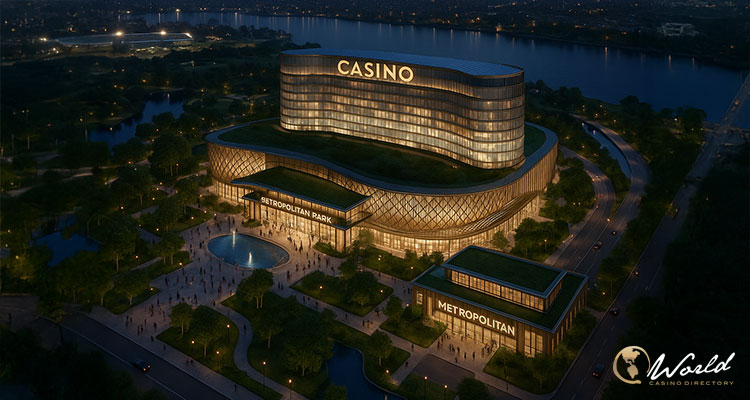
New York City’s long-running competition for downstate casino licenses moved into its final phase after the New York Gaming Facility Location Board unanimously endorsed three proposals in Queens and the Bronx. The decision, delivered during a public session in Manhattan, advances the bids to the New York State Gaming Commission, which will determine whether each applicant meets the required ethical and financial standards before licenses are awarded.
In its announcement, the board emphasized that the trio — Metropolitan Park near Citi Field, Resorts World at Aqueduct Racetrack, and Bally’s at Ferry Point — offered what members viewed as the strongest economic outlook for the region. Board chair Vicki Been explained that forwarding all three projects “best advances the state’s long-term economic, fiscal and community objectives.” According to Spectrum News NY1 she also noted that consultants conducted a cautious review and still found the market strong enough to sustain the proposals.
The Commission, expected to rule by the end of the year, has already begun background checks. Officials reiterated that licensing is not automatic and that the evaluation process remains thorough.
Economic Potential and Project Timelines
State leaders framed the board’s approval as a major step toward expanding revenue streams for transportation and education. Gov. Kathy Hochul said the trio of proposals “promise to unlock billions in funding for the MTA and create tens of thousands of jobs,” adding that the state required strong community and financial plans when the Legislature authorized downstate casinos in the 2022 budget.
Across the three proposals, the board projects about $7 billion in gaming tax revenue between 2027 and 2036, in addition to an estimated $5.9 billion in hotel and retail taxes. Each operator would also pay a $500 million license fee, sending $1.5 billion collectively to the state. According to officials, most of the tax revenue would be split between the Metropolitan Transportation Authority and the Department of Education.
Resorts World is positioned to open first. As the operator of Queens’ existing slots parlor, the company says it could introduce table games within months of receiving its license. “Resorts World New York City’s $7.5 billion proposal is the only bid that can expand operations in just 90 days, generating billions in new revenue for mass transit and public education over the next four years,” said Robert DeSalvio, president of Genting Americas East.
Metropolitan Park, backed by Mets owner Steve Cohen and Hard Rock International, outlines a wide-ranging redevelopment of 50 acres surrounding Citi Field. The plan includes a hotel, entertainment venue, restaurants, retail, and public green space. Karl Rickett, a spokesperson for the project, said the board’s vote represented the effort moving “one step closer to becoming a reality,” stressing its projected “billions of dollars in tax revenue, 23,000 union jobs, and over $1 billion in community benefits.”
In the Bronx, Bally’s has proposed a $4 billion casino complex on part of the Ferry Point golf property. The company must pay the Trump Organization $115 million if it secures a license, a condition included when Bally’s purchased the course lease in 2023. The development calls for a hotel, event space and a Jack Nicklaus-designed golf course.
Support, Opposition, and Community Reaction
While elected officials in Queens and the Bronx have highlighted the projects’ promised job creation and infrastructure assistance, community resistance continues. Several Manhattan-based proposals were eliminated earlier in the process because local advisory boards withheld support, clearing the path for the remaining three bids.
During Monday’s board meeting, a group of protesters chanted “shame on you” while being escorted out. Some opponents argued that new casinos would target vulnerable residents and worsen problem gambling in nearby neighborhoods. One protester, Jack Hu, said the facilities would treat local residents as “cash cows.”
Concerns were particularly strong in areas near the proposed Queens casino. Longtime Flushing resident Grace Ying said she feared the project would increase gambling addiction, adding, “Many people in my community suffer from gambling addictions, and the only thing that holds them back from throwing their money away is the distance from here to where the casinos are.” Another critic, Carla Bolden, argued that casinos bring safety issues, saying, “Casinos bring late-night people. They bring prostitutes. They bring drugs. They bring violence.”
Environmental advocates also raised objections to Bally’s Bronx project, citing potential risks to water quality near the Long Island Sound. David Ansel of Save the Sound said it was “extremely disappointing” that the board acted without addressing those concerns more fully.
Board chair Been pushed back against claims that the projects would worsen gambling addiction, saying the board was “very concerned” about the issue and held extensive discussions with applicants about intervention and support strategies.
The Gaming Commission’s final determination is expected by month’s end. Officials reiterated that the board’s recommendation is not a “rubber stamp,” although barring unforeseen developments, the three proposals are expected to be approved. Should that happen, Resorts World could open in 2026, while Metropolitan Park and Bally’s anticipate opening by 2030.