

 United States
 Macau, China
 France
 Philippines
 Singapore
 Netherlands
 United Kingdom
 Canada
 Argentina
 Germany
 Estonia
 Peru
Peru Russia
 Australia
 South Africa
 Nigeria
 Malaysia
 Singapore
 India
India Finland
 China
China Ukraine
 Hong Kong
 Cyprus
 Turkey
 Greece
 Sweden
 South Korea
 Mexico
 Poland
 Ireland lottery results
 New Zealand lottery results
 Puerto Rico lottery results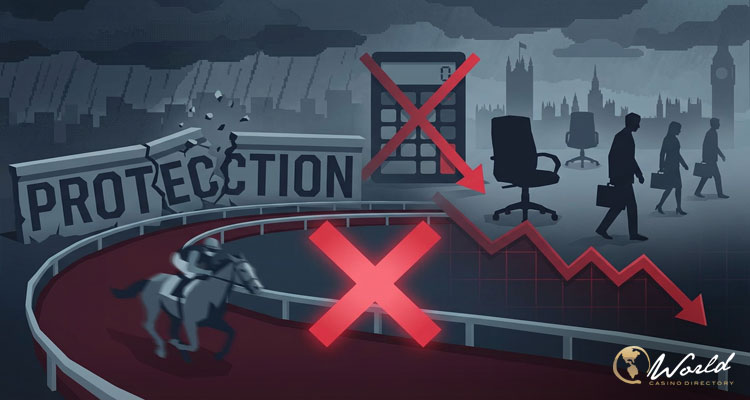
The Chancellor’s Autumn Budget has prompted strong concern within the betting and gaming sector following plans to sharply raise taxes across online gaming and sports betting. Although racing has avoided a direct rise in the General Betting Duty, industry figures argue the sector will still experience significant repercussions as the wider market absorbs what has been described as one of the most extensive tax increases imposed on a modern UK industry.
Industry Warns of Economic Strain
Betting and Gaming Council chief executive Grainne Hurst stated that the racing exemption does not alter the larger picture created by the Budget’s fiscal measures. She wrote, “Racing has seemingly been protected from higher betting duties. It sounds like a win, but anyone who understands how the sector operates knows that isn’t true.” She added, “This exemption is cosmetic. Beneath the surface, this Budget delivers a devastating blow to the very ecosystem that racing relies on.”
The Budget outlined plans to lift Remote Gaming Duty from 21 percent to 40 percent in 2026 and increase sports betting duty from 15 percent to 25 percent the following year. Treasury forecasts indicate that the measures could generate £1.1 billion annually by 2029. Hurst’s argument is that these increases will influence not only online casino operators but also the stability of racing, which depends on levy returns, media rights payments, and sponsorship arrangements.
According to independent modelling referenced by Hurst, rising taxes could lead to a reduction of nearly 15,000 jobs linked to the Remote Gaming Duty increase and an additional 1,750 jobs lost due to higher sports betting duty. Estimates suggest that more than £6 billion in stakes may shift toward unlicensed operators if the regulated sector contracts.
Concerns Over Player Safety and Market Conditions
Hurst emphasized that heavy tax increases combined with new regulatory measures will alter customer behavior. She warned that higher duties may drive consumers toward unregulated sites, where player protections are absent. She noted that gambling harm in the UK remains low at 0.4 percent, citing figures from the NHS Health Survey and the Adult Psychiatric Morbidity Survey, and argued that the trends outlined in the Budget could intensify risks rather than reduce them.
As Hurst stated and BTC published on its website, treasury projections anticipate a £500 million rise in unlicensed activity, and the allocation of £26 million to counter this trend was described as insufficient for the scale of the challenge. Hurst pointed to international examples to illustrate market reactions to increased tax pressure. She referenced the Netherlands, where a jump in slot taxes to 34.2 percent coincided with falling revenue, reduced tax receipts, and a surge in black-market use.
Although horse racing secured a carve-out from the General Betting Duty increase, Hurst argued that it will encounter indirect repercussions. She highlighted that betting operators supply financial support across racing through levy contributions, sponsorships, and media rights deals. Any reduction in the regulated sector’s size could weaken those funding channels. She pointed to estimates that around 500 betting shop closures could lead to a £20 million loss for racing.
Her comments followed a period in which parts of the racing community campaigned for a specific tax exemption, separate from the broader betting industry’s position. At the same time, reform advocates sought to encourage racing figures to support increases affecting online casino duty.
The wider regulatory landscape continues to shift. The Government recently implemented new online slot stake limits, setting a maximum of £2 for players aged 18–24 and £5 for those aged 25 and above. These measures form part of more than 40 reforms linked to the Gambling White Paper. Hurst noted that the introduction of a new statutory levy—expected to raise over £120 million annually—still requires clearer guidance on how support services can access funds.
Hurst concluded her assessment by stating, “The only winner from this Budget is the black market – they’ve hit the jackpot. The losers are customers who will now be exposed to greater risk, communities that rely on jobs and investment, and sectors like racing that depend on a strong regulated industry.” She added, “We stand ready to work with Government to deliver the safest, most sustainable gambling environment in the world. But that requires policies that strengthen the regulated market, not undermine it. If racing is to have a secure future, the system it relies on must remain strong – and this budget takes us in the opposite direction.”