

 United States
 Macau, China
 France
 Philippines
 Singapore
 Netherlands
 United Kingdom
 Canada
 Argentina
 Germany
 Estonia
 Peru
Peru Russia
 Australia
 South Africa
 Nigeria
 Malaysia
 Singapore
 India
India Finland
 China
China Ukraine
 Hong Kong
 Cyprus
 Turkey
 Greece
 Sweden
 South Korea
 Mexico
 Poland
 Ireland lottery results
 New Zealand lottery results
 Puerto Rico lottery results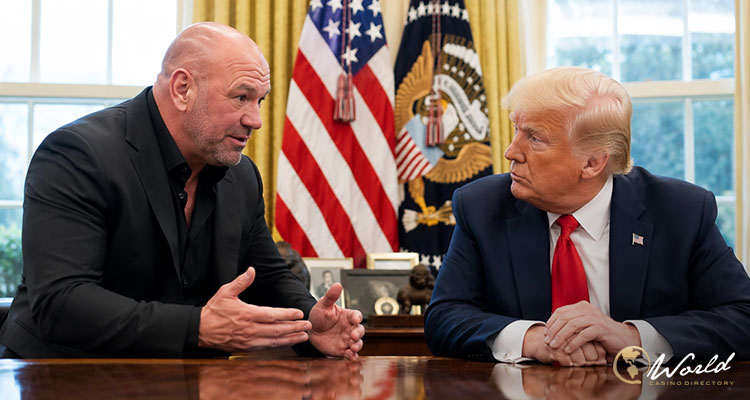
Dana White has asked President Donald Trump to support efforts to reverse a federal tax provision that limits gambling loss deductions, arguing the policy is damaging bettors, businesses, and the legal sports betting industry.
The UFC president and CEO sent a letter dated May 11 to Trump concerning a provision included in the One Big Beautiful Bill Act passed in 2025. The law changed how gambling losses can be deducted on federal taxes. Under previous rules, gamblers could deduct losses up to the amount of their winnings. The revised measure limits deductions to 90% of losses against winnings.
The change means some bettors may owe taxes despite finishing the year without any gambling profit. Critics of the rule have argued that taxpayers could face bills on money they did not actually keep.
In the letter, White thanked Trump for helping secure passage of the legislation before turning to the gambling deduction issue. “I believe Congress should fix this issue as the policy is already creating problems. The current law makes it irrational to bet in the United States because you could end up owing taxes even when you lose or having a tax bill that exceeds your winnings for the year,” White said in the letter.
White Points to Effects on Sports Betting and Nevada
White’s concerns extended beyond individual gamblers. He argued the deduction cap also affects industries connected to regulated betting, including sports leagues and promotions that have entered partnerships with sportsbooks since the expansion of legal wagering in the United States.
“The UFC supports a healthy, legal sports betting market to drive fan engagement, broadcast value, and sponsorships,” White wrote according to The Closing Line. “When legal betting is discouraged, it hurts the ecosystem we’ve spent years building in partnership with state regulators and licensed operators. It also undercuts the transparency and integrity protections that legal betting provides for professional sports.”
The UFC has become closely tied to the sports betting market since the Supreme Court struck down PASPA in 2018, allowing states to legalize sports wagering. The organization has signed sponsorship agreements with sportsbooks and worked with regulators in multiple states.
White also warned that the law could reduce gambling activity in Nevada, where gaming remains a major employer and economic driver. In his letter, he said “gamblers who win big, tip big,” adding that customers may become less generous because of the tax implications or decide not to gamble.
The correspondence arrived ahead of UFC Freedom 250, an event scheduled for June 14 on the White House South Lawn.
Lawmakers and Industry Groups Seek Changes
Opposition to the deduction limit emerged soon after the law passed last summer. The provision was reportedly added late in the legislative process and drew criticism from members of Congress and gambling industry figures.
Rep. Dina Titus of Nevada has spent the past year attempting to reverse the measure. Her proposed FAIR BET Act would restore the previous deduction rules.
“The recently passed budget bill included a provision inserted by Senate Republicans without consent of the House that imposed a tax increase on Americans who gamble by reducing from 100 percent to 90 percent the amount of losses they can deduct from gambling winnings for their income taxes,” Titus said last July. “My FAIR BET Act would rightfully restore the full deduction for losses so gamblers don’t pay taxes on money they haven’t won.”
Many professional gamblers and high-stakes bettors have also criticized the policy. One example circulating within the betting community described a gambler who won $100,000 and lost $100,000 during the same period. Even though the bettor broke even overall, the current rules could still create a taxable amount because only 90% of losses qualify for deductions.
Industry groups have supported efforts to change the law. American Gaming Association senior vice president of government relations Chris Cylke said the organization remains engaged with lawmakers and the administration.
“Restoring the 100 percent gambling loss deduction remains a top priority for the AGA, and we continue to actively engage with Congress and the administration to support a legislative solution,” Cylke said. “We appreciate Dana White helping raise awareness about the negative impacts this issue has not only on bettors, but also on businesses and jobs connected to the legal gaming ecosystem.”
White’s Relationship With Trump Draws Attention
White and Trump have maintained a long-standing public relationship dating back to the UFC’s early years. White has frequently credited Trump with helping the organization during a period when many venues avoided hosting mixed martial arts events. Trump’s Atlantic City casinos staged UFC events more than two decades ago while the sport faced political opposition and limited mainstream acceptance.
White has publicly endorsed Trump in multiple elections and continues to be one of the president’s prominent supporters in the sports world. His latest appeal seeks to use that connection to build momentum for congressional action on the gambling tax issue.
The letter also appeared to influence betting markets tracking the possibility of a repeal. According to reports, a Kalshi prediction market estimating the odds of the deduction cap being overturned before 2027 moved from 15% to 38% after White’s letter became public. Another market on whether the law would be repealed by Sept. 1, 2026, rose from 22% to 29%.
