

 United States
 Macau, China
 France
 Philippines
 Singapore
 Netherlands
 United Kingdom
 Canada
 Argentina
 Germany
 Estonia
 Peru
Peru Russia
 Australia
 South Africa
 Nigeria
 Malaysia
 Singapore
 India
India Finland
 China
China Ukraine
 Hong Kong
 Cyprus
 Turkey
 Greece
 Sweden
 South Korea
 Mexico
 Poland
 Ireland lottery results
 New Zealand lottery results
 Puerto Rico lottery results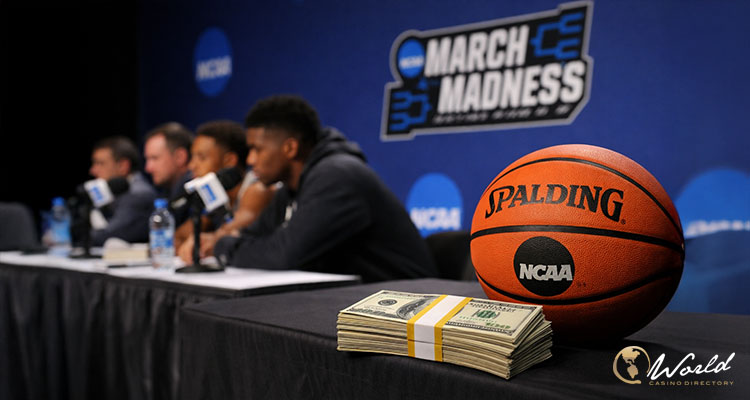
Teams competing in the 2026 Division I men’s and women’s basketball tournaments organized by the NCAA will have to disclose player availability before every game under a new policy announced Wednesday. The measure introduces a reporting system that tournament participants must follow for the first time and includes financial penalties for schools that fail to comply.
The rule requires programs to submit information about which players are expected to participate, are uncertain to play, or will miss a game. Officials cited by Associated Press say the policy aims to address concerns tied to sports betting and to shield student-athletes from unwanted contact linked to inside information about injuries or playing status.
The reporting requirement will operate as a pilot during the 2026 basketball tournaments. The NCAA plans to review the results before deciding whether similar policies should apply to other championship events in future seasons.
Required Injury Updates Before Tournament Games
Under the new system, schools must provide their first availability report by 9 p.m. local time on the night before a scheduled game. Teams must then update the information no later than two hours before tipoff to reflect any changes.
Each athlete must fall into one of three categories. Players listed as “available” are those who have more than a 75% chance to play in the game. Those marked “questionable” have up to a 75% likelihood of appearing, while players designated as “out” will not participate. Any player not listed in the report will automatically be treated as available.
Fans, analysts, and bettors will be able to review the reports once they are posted publicly on NCAA.com.
Several major college basketball conferences already use similar reporting practices. The ACC, Big East, Big Ten, Big 12, and SEC currently require injury or availability disclosures during regular conference competition for both men’s and women’s basketball.
The NCAA stated that the new system seeks to “reduce betting-related pressure, solicitations and harassment student-athletes and other team personnel receive from bettors connected to playing status.”
Penalties for Missing or Incorrect Reports
The policy includes escalating financial penalties for schools that do not follow the reporting rules. For the 2026 tournaments, a first violation may result in a fine of up to $10,000. A second offense can bring a penalty of up to $25,000.
Repeated violations carry even steeper consequences. Beginning with a third offense, a school could face a fine of up to $30,000, and the head coach may also be fined up to $10,000. The Division I Men’s and Women’s Basketball Committees will determine penalties related to reporting failures or other misconduct.
Officials say the possibility of fines reflects the importance of accurate and timely disclosures.
Effort to Address Betting Pressure on Athletes
The reporting program also reflects broader changes in the sports landscape as legal wagering expands across the United States. The NCAA believes providing official injury information could reduce the value of insider tips and discourage people from contacting players or staff to obtain details about injuries.
The approach mirrors transparency measures used in professional leagues such as the National Football League and the National Basketball Association, where teams routinely publish injury reports ahead of games.
NCAA President Charlie Baker highlighted the player-safety focus of the initiative. “Implementing player availability reporting is a major step to increasing student-athlete protections by alleviating pressures for the enhancement of their college experience,” Baker said in the official statement.
For now, the requirement applies only to the Division I men’s and women’s basketball championships scheduled for 2026. NCAA officials plan to assess how the system works during the tournaments before deciding whether to expand it to other championship events in the 2026–27 academic year.
