

 United States
 Macau, China
 France
 Philippines
 Singapore
 Netherlands
 United Kingdom
 Canada
 Argentina
 Germany
 Estonia
 Peru
Peru Russia
 Australia
 South Africa
 Nigeria
 Malaysia
 Singapore
 India
India Finland
 China
China Ukraine
 Hong Kong
 Cyprus
 Turkey
 Greece
 Sweden
 South Korea
 Mexico
 Poland
 Ireland lottery results
 New Zealand lottery results
 Puerto Rico lottery results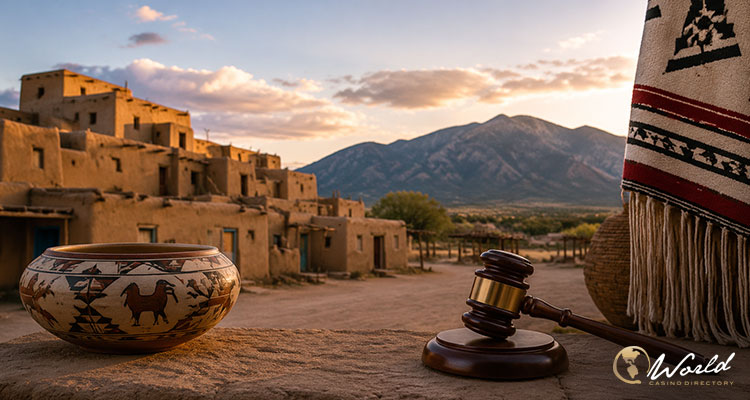
In a significant legal move, four New Mexico tribes have filed a lawsuit against Kalshi Inc., a New York-based prediction market platform, accusing the company of facilitating illegal sports betting on tribal lands. The Mescalero Apache Tribe, alongside the Pojoaque, Sandia, and Isleta Pueblos, argue that Kalshi’s app violates federal and state gaming laws by offering unrestricted access to sports gambling, thus circumventing tribal authority and regulatory systems.
Allegations of Legal Violations and Unlawful Gambling
The lawsuit, filed on Tuesday, May 12, in U.S. District Court in Albuquerque, brings to light a growing legal battle between sports-wagering platforms and tribes over the regulation of gambling. According to the plaintiffs, Kalshi’s sports-betting platform, which allows individuals as young as 18 to place bets, directly contravenes the Indian Gaming Regulatory Act (IGRA). This federal law mandates that individuals must be at least 21 years old to legally engage in gambling activities on tribal lands, including those on New Mexico’s reservations.
“The use of prediction markets for gambling purposes diverts essential revenue away from our governments, provides an end-run around regulation of gaming on our lands, and allows gaming by underage people,” said Stuart Paisano, Governor of Sandia Pueblo, as reported by Source New Mexico. Tribes claim that Kalshi’s actions undermine the economic benefits derived from tribal gaming compacts, which fund crucial public services, including education and healthcare.
Kalshi, which operates under the regulatory oversight of the U.S. Commodity Futures Trading Commission (CFTC), has defended its operations by categorizing its sports-wagering contracts as financial derivatives, positioning them asdistinct from traditional sports betting. The company argues that its prediction market services are legitimate and operate within the bounds of federal law. However, the tribes assert that Kalshi is exploiting a legal loophole by promoting these contracts as a form of financial trading, thus bypassing the restrictions imposed by IGRA and state regulations.
Kalshi’s prediction markets have gained popularity in recent years, attracting millions of users who wager on various events, from political outcomes to sports results. Despite Kalshi’s claims, the lawsuit underscores a nationwide pushback against platforms that facilitate online gambling on tribal lands without adhering to tribal regulations.
The plaintiffs are seeking an injunction to prevent Kalshi from operating its sports-betting platform on tribal lands. They argue that Kalshi’s actions violate the tribes’ sovereign rights to regulate gaming within their territories as granted by federal law. Furthermore, they demand that the court acknowledge the violation of tribal compacts that govern gambling activities on these lands.
“The tribes fought hard to protect their inherent sovereign right to operate and regulate casinos on tribal lands,” said Duane Duffy, Vice President of the Mescalero Apache Tribe. The tribes’ legal action mirrors a broader dispute occurring across the nation, with other tribes filing similar lawsuits against Kalshi and other platforms, accusing them of bypassing local laws to offer unregulated sports betting.
Potential National Impact and Ongoing Legal Battle
This lawsuit is part of a larger, ongoing conflict between tribes, states, and sports-wagering platforms over the control of gambling. In a similar case, the Ho-Chunk Nation in Wisconsin filed a lawsuit last year against Kalshi, alleging violations of federal gaming laws. While a federal judge in Wisconsin recently denied the tribe’s request for an immediate injunction, the case continues to gain attention, with the court acknowledging the tribe’s strong likelihood of success in the ongoing litigation.
This legal battle is poised to have significant ramifications, not only for Kalshi but also for the broader landscape of sports gambling in the United States. As Kalshi continues to expand its reach, its legal strategies may come under intense scrutiny, particularly as tribes and states seek to preserve their rights to regulate gambling within their jurisdictions.
The legal framework for gaming on tribal lands was established by the IGRA in 1988, which recognized tribal sovereignty in regulating gambling and allowed tribes to operate casinos and other gaming activities. The tribes argue that this authority includes the regulation of new forms of online gambling, such as Kalshi’s sports-betting platform.
Kalshi’s business model has raised complex questions about the intersection of federal commodities law and tribal gaming law. The platform has argued that its services are regulated under the Commodity Exchange Act, which the company claims preempts state and tribal laws. As the litigation unfolds, it will likely set important legal precedents regarding the scope of federal oversight over gambling markets and the extent of tribal authority in regulating online betting on their lands.
This lawsuit is not an isolated incident. Similar cases have been filed by other tribes in the United States, and with the expansion of online sports betting, it is expected that more tribes will continue to challenge the practices of platforms like Kalshi. The outcome of these cases could reshape how prediction markets and sports gambling platforms operate across the country, particularly in areas with significant tribal populations.
