

 United States
 Macau, China
 France
 Philippines
 Singapore
 Netherlands
 United Kingdom
 Canada
 Argentina
 Germany
 Estonia
 Peru
Peru Russia
 Australia
 South Africa
 Nigeria
 Malaysia
 Singapore
 India
India Finland
 China
China Ukraine
 Hong Kong
 Cyprus
 Turkey
 Greece
 Sweden
 South Korea
 Mexico
 Poland
 Ireland lottery results
 New Zealand lottery results
 Puerto Rico lottery results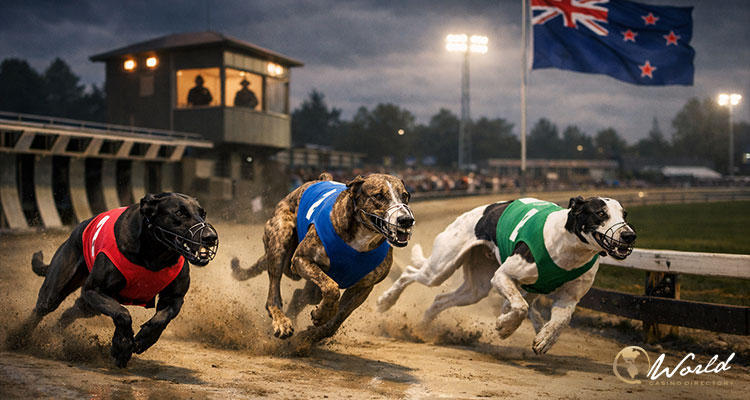
Greyhound racing in New Zealand faces an approaching shutdown, yet industry representatives say key details about the transition remain unclear. The government previously introduced legislation to close the sport, with the proposed ban expected to take effect by August.
Late last year, the Racing Industry (Closure of Greyhound Racing Industry) Amendment Bill (pdf) passed its first reading. A parliamentary select committee has now delivered its report, recommending that the closure proceed. The committee also suggested that TAB continue accepting bets on international greyhound races even after domestic events stop.
Leaders within the greyhound racing sector say the outcome leaves many unanswered questions. Greyhound Racing New Zealand chief executive Edward Rennell , cited by RNZ, said those working in the sport still lack guidance about what will happen in the coming months.
“We’re only four and a half months out now and there’s a tremendous lot of work and there’s a lot of uncertainty in terms of how things are going to work from 1 August and further clarity is required for our industry participants.”
The industry must also prepare to find homes for a large number of racing dogs once competitions stop. Rennell said that challenge remains significant. “At 31 July we’re projecting there’s still going to be 1600 greyhounds to be rehomed.”
Rennell expressed disappointment with the select committee’s findings. Industry representatives had hoped their submissions would prompt lawmakers to reconsider the closure. “We felt the greyhound industry and the people that submitted clearly outlined why we didn’t believe there were grounds for closure and the tremendous progress the industry has made form a welfare perspective.”
He added that participants believed the evidence presented might lead to a different outcome. “We were hoping after consideration of the submissions that the select committee would have reviewed the decision.”
Government Outlines Transition Strategy
Government officials say planning for the phase-out has focused on support for people in the industry as well as the welfare of the dogs. A Ministerial Advisory Committee has proposed several steps to manage the process.
Among the recommendations is the creation of a transition agency responsible for overseeing the closure of the sport. The agency could assume ownership of greyhounds if necessary and cover the costs of feeding and caring for them until they are successfully placed in new homes.
The transition plan also includes programs aimed at people whose jobs depend on the industry. Officials intend to provide mental health and wellbeing services for those affected by the changes. Workers may also receive retraining support to help them move into new roles.
Greyhounds themselves may undergo training and behavioral support designed to improve their chances of adoption. The government also plans to coordinate with animal welfare groups, including organizations such as SPCA, to assist with the rehoming effort.
Racing Minister Winston Peters said authorities designed the transition plan to prevent participants from being left without help. “The intention was always to support the industry as it transitions away from greyhound racing. There has been a campaign of misinformation about greyhounds and owners being left to fend for themselves, but this was never the case. It was important to go through a proper select committee process before taking the next steps. The Select Committee has now completed its work and reported back. Everyone, including representatives of the greyhound racing sector, rehoming groups, and members of the public, have had the opportunity to have their say.”
Peters said the next stage will focus on implementing the recommendations from the review process.
“We’re ready for a smooth transition, with planning focused on certainty, support and, most importantly, ensuring the welfare of greyhounds. This is a deliberate, multi-stage process designed to ensure fairness and good outcomes for both people and animals. Nothing changes overnight and the Government’s focus remains on a smooth and responsible transition.”
Political Debate and Welfare Concerns
The plan to end greyhound racing first emerged in December 2024 when the government announced it would shut down the sport due to ongoing animal welfare issues. Several official reviews conducted in 2013, 2017, and 2021 had previously raised concerns about injuries sustained by racing dogs.
According to the government, those reports indicated that the rate of serious injuries remained too high despite attempts to improve conditions. “This decision was not taken lightly,” Peters said in an earlier statement. “However, it was considered that the rates of dogs being seriously injured remained too high and the improvements made were not significant enough.”
Public opinion has also influenced the debate. Polling cited by officials suggests a large majority of New Zealanders support ending the sport. Some politicians, however, continue to challenge the decision. Members of the ACT party have criticized the government’s approach and argue that those involved in greyhound racing deserve stronger protection.
ACT MP Cameron Luxton said the people connected to the industry have been treated unfairly. “We’ve listened to a community that’s been misunderstood by Wellington. They’re getting a raw deal. Their property rights have been disregarded, and someone needs to stick up for them.”
Luxton has previously called on the government to consider financial compensation for breeders, owners, and venues affected by the ban.
As the August deadline approaches, the government continues preparing the transition process while the greyhound racing community seeks further clarification about how the shutdown will unfold and how the remaining dogs will find new homes.
