

 United States
 Macau, China
 France
 Philippines
 Singapore
 Netherlands
 United Kingdom
 Canada
 Argentina
 Germany
 Estonia
 Peru
Peru Russia
 Australia
 South Africa
 Nigeria
 Malaysia
 Singapore
 India
India Finland
 China
China Ukraine
 Hong Kong
 Cyprus
 Turkey
 Greece
 Sweden
 South Korea
 Mexico
 Poland
 Ireland lottery results
 New Zealand lottery results
 Puerto Rico lottery results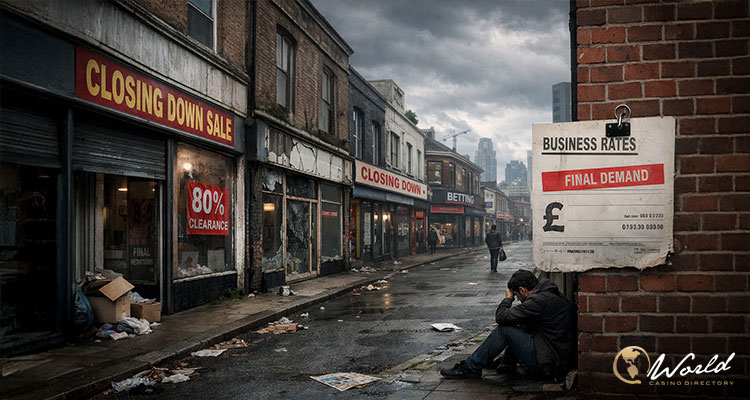
Britain’s high streets continue to lose long-established businesses, and the Betting and Gaming Council has warned that the current business rates framework is contributing to the pace of decline. According to the industry body, betting shops have faced mounting pressure from a system it describes as outdated, adding to job losses and reducing income for local authorities.
The warning comes as senior ministers debate the future of business rates and the role of physical premises in town centers. Recent signals from the government suggest a reversal on planned increases to business rates bills for pubs in England, following concerns about the financial strain facing bricks-and-mortar operators. Other sectors on the high street, including retail betting, have argued that similar recognition is needed across the board.
Grainne Hurst, chief executive of the Betting and Gaming Council, linked shop closures directly to operating costs rather than public demand. She said: “Britain’s high streets are already under intense pressure, and an outdated and unfair business rates system is only accelerating their decline. Betting shops are closing not because communities don’t value them, but because the costs of running physical premises continue to rise.”
She added that the approach taken toward pubs should extend further. “Ministers were right to recognize these pressures when it comes to pubs, and the same common-sense approach must now be applied across the high street. Without urgent reform, we risk losing thousands more local jobs, investment and vital footfall, while handing a growing advantage to the harmful gambling black market.”
Betting Shop Numbers Continue to Fall
Official data shows a sustained reduction in the number of licensed betting shops across the United Kingdom since 2019. At that time, there were 8,304 shops nationwide. By March 2025, the figure had dropped to 5,825, representing a fall of around 30 percent. The closures have coincided with more than 10,000 job losses and a drop in business rates income collected by local councils.
The Betting and Gaming Council expects the trend to continue, pointing to recent increases in gambling taxes as an added source of strain. While retail betting premises did not face a direct tax rise, many operators manage online and land-based activities together. As a result, higher taxes on online gambling affect overall budgets, which in turn shape decisions on staffing, investment, and the future of shop estates.
Concerns about business rates extend beyond betting. Retailers, hospitality operators, and leisure businesses have argued for years that the current structure places a heavier burden on physical locations than on online alternatives. Industry groups say this imbalance weakens town center economies by reducing footfall and discouraging long-term investment.
Economic Role and Regulation on the High Street
Despite the ongoing contraction, betting shops remain a significant employer and contributor to public finances. The sector supports about 42,000 jobs across the country and provides close to £1 billion each year in direct tax payments. Licensed betting premises also generate around £60 million annually in business rates, according to industry figures.
Research carried out by ESA Retail suggests that betting shops often form part of a wider high street ecosystem. The study found that 89 percent of customers who visit a betting shop also spend time in nearby businesses, helping to sustain activity in surrounding stores and services.
The Betting and Gaming Council has also emphasized the regulatory environment in which licensed shops operate. Betting premises face strict requirements on age checks, staffing levels, and safer gambling measures. Data from NHS surveys consistently places the rate of problem gambling at about 0.4 percent of the adult population.
The council has warned that further tax or cost increases could lead to faster closures and undermine regeneration efforts in town centers. It has also raised concerns that shrinking the licensed sector could push customers toward illegal gambling operators, which offer no consumer protections and contribute nothing to the Treasury, sport, or treatment services.
The BGC has called on policymakers to adopt an evidence-led and proportionate response to business rates reform, arguing that a fairer system would help protect jobs, sustain local economies, and prevent further erosion of Britain’s high streets.
