

 United States
 Macau, China
 France
 Philippines
 Singapore
 Netherlands
 United Kingdom
 Canada
 Argentina
 Germany
 Estonia
 Peru
Peru Russia
 Australia
 South Africa
 Nigeria
 Malaysia
 Singapore
 India
India Finland
 China
China Ukraine
 Hong Kong
 Cyprus
 Turkey
 Greece
 Sweden
 South Korea
 Mexico
 Poland
 Ireland lottery results
 New Zealand lottery results
 Puerto Rico lottery results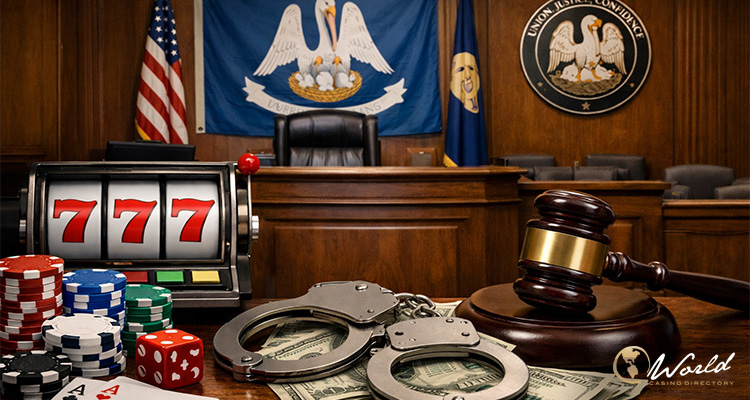
Louisiana lawmakers are escalating their efforts to curb sweepstakes gambling with the introduction of House Bill 53 (HB 53), a measure designed to tighten enforcement by classifying certain gambling offenses as racketeering crimes. The bill, pre-filed by Representative Bryan Fontenot in January 2026, proposes adding various gambling-related crimes, including those associated with sweepstakes casinos, to the state’s racketeering statute. This move aims to increase penalties and broaden prosecutors’ ability to target not just operators but also their business partners, vendors, and affiliates.
The push to combat sweepstakes-style gambling comes after a series of enforcement actions last year, including a veto by Governor Jeff Landry of a bill that would have banned sweepstakes casinos outright. Following the veto, state regulators issued dozens of cease-and-desist orders, with Louisiana Attorney General Liz Murrill declaring the model to be illegal.
Strengthening Racketeering Laws
HB 53 does not introduce a new prohibition on sweepstakes gambling. Instead, it seeks to amend Louisiana’s existing racketeering statute by adding gambling offenses—such as those often associated with sweepstakes casinos—to the list of crimes that can trigger racketeering charges. By doing so, the bill aims to provide law enforcement with more robust tools to pursue broader investigations and bring charges against entire gambling enterprises.
The bill proposes adding several offenses to the racketeering statute, including gambling by computer, gambling via electronic sweepstakes devices, unlawful wagering, and other related crimes. These offenses, once categorized as racketeering activities, could allow prosecutors to pursue enterprise-level cases, potentially leading to conspiracy charges, asset forfeiture, and long-term investigations.
The introduction of HB 53 follows a pattern of actions by Louisiana authorities to address sweepstakes casinos, a model that has been operating in the state despite a lack of formal legislation explicitly banning it. While Governor Landry vetoed a bill aimed at banning these casinos in 2025, claiming that existing laws were sufficient to combat the issue, regulators have stepped up enforcement. As Gambling Insider reports, in 2025, the Louisiana Gaming Control Board, in collaboration with the state police, issued more than 40 cease-and-desist letters to operators of sweepstakes casinos, effectively pushing many major brands out of the state.
Louisiana’s stance on sweepstakes casinos is part of a broader trend in the state’s gambling policy. Instead of creating new standalone laws to ban certain activities, lawmakers have increasingly focused on revising existing statutes to include gambling offenses, using tools such as racketeering laws and consumer protection statutes to regulate these gray-market products. HB 53 fits within this approach, which emphasizes the enforcement of current laws over creating new, specific bans.
Potential Impact on Sweepstakes Operators
HB 53 could have significant implications for operators involved in sweepstakes gambling. By classifying these activities as racketeering offenses, the bill potentially opens the door to much harsher penalties. Racketeering charges carry severe consequences, including decades of imprisonment and substantial fines, far exceeding the penalties associated with traditional gambling violations.
Industry experts predict that the new bill could have a chilling effect on sweepstakes operators and other unlicensed gambling businesses in Louisiana. However, some critics argue that the broader definitions of racketeering could lead to overreach, potentially targeting minor offenders or small-scale operators who may not have the resources to contest these charges.
HB 53 is part of a larger national trend where states are tightening their gambling laws to better address the growing prevalence of illegal or unregulated gambling models, including sweepstakes casinos. In Louisiana, the focus has shifted toward enhancing enforcement capabilities, using the state’s existing legal frameworks to go after operators involved in unlicensed gambling activities.
This move aligns with broader shifts in state gambling policies, where lawmakers are increasingly looking to strengthen the enforcement of existing laws, rather than crafting new, stand-alone prohibitions. States like Louisiana are working to ensure that operators who circumvent the system are held accountable, while expanding the legal tools available to regulators and law enforcement agencies.
As of February 2026, HB 53 is still in its early stages, having been referred to the House Administration of Criminal Justice Committee. If the bill progresses through the legislative process, it will face additional scrutiny from lawmakers and stakeholders, who will debate the language and scope of the bill. Key considerations will include how to define the gambling offenses covered by the bill and whether any exemptions or limits should be added to prevent overreach.
