

 United States
 Macau, China
 France
 Philippines
 Singapore
 Netherlands
 United Kingdom
 Canada
 Argentina
 Germany
 Estonia
 Peru
Peru Russia
 Australia
 South Africa
 Nigeria
 Malaysia
 Singapore
 India
India Finland
 China
China Ukraine
 Hong Kong
 Cyprus
 Turkey
 Greece
 Sweden
 South Korea
 Mexico
 Poland
 Ireland lottery results
 New Zealand lottery results
 Puerto Rico lottery results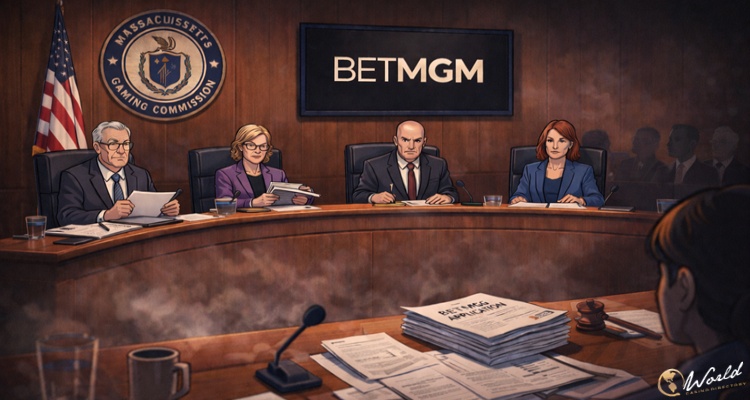
Massachusetts regulators placed BetMGM under investigation after reports indicated the operator sent promotional emails to people who should not have received gambling-related marketing. Authorities reviewed communications linked to sports betting promotions, including campaigns tied to Major League Baseball, a mobile Ballpark application, and the Boston Red Sox. Officials said state rules restrict betting activity to individuals aged 21 and older, which made the reported outreach a compliance issue.
The case emerged during a public meeting of the Massachusetts Gaming Commission, where commissioners examined data covering email activity from April 2024 through July 2025. Regulators stated that BetMGM allegedly delivered promotional material to 3,803 recipients below the legal gambling age. Officials also raised concerns about communications sent to people enrolled in voluntary exclusion programs or temporary cooling-off periods designed to help manage gambling behavior.
Regulatory Review And Alleged Violations
Regulators described the scope of the email campaign as significant. During the public meeting, Commissioner Eileen O’Brien addressed the situation directly. “This is sizeable, both in scope and size,” said MGC Commissioner Eileen O’Brien during the public meeting. “The percentage of the emails where they cannot affirmatively say were over 21 is really disturbing.”
Authorities indicated that the operator could not verify birth date information for more than 37,000 recipients out of roughly 96,000 emails related to Red Sox promotional campaigns. BetMGM attributed the issue to internal noncompliance involving an employee who did not follow company procedures governing marketing approvals.
Commissioner Nakisha Skinner echoed concerns about the alleged breaches. “The facts as we know them right now are particularly egregious,” said Skinner. Regulators noted the case involved outreach to three sensitive groups: underage individuals, people on the state self-exclusion list, and users who had activated cool-off protections. Officials stated that this represents the first time the commission has addressed a violation of this type.
Investigation Process And Possible Outcomes
The commission has not imposed sanctions yet. Officials voted to move the case to an adjudicatory hearing, where investigators and involved parties will present documentation and arguments. That process will include reporting from the commission’s Investigations and Enforcement Bureau.
“Our goal is zero folks under 21 accessing a sportsbook in Massachusetts,” said MGC Chair Jordan Maynard. “We take this very seriously, and if something like this pops up, we’re going to take action.”
Regulators may consider penalties after reviewing the evidence. Previous enforcement actions in the state provide context, including a 2025 fine issued to another sportsbook operator for payment-related violations. Authorities have not indicated whether license suspension remains under consideration.
Public officials in several jurisdictions have started examining how gambling promotion affects younger audiences and vulnerable groups. Federal lawmakers recently requested a study on the impact of sports betting on young people, noting limited publicly available research on the topic. The proposed study would evaluate activity on licensed and unregulated platforms.
New York leadership has also outlined protective measures aimed at preventing underage gambling access. As reported by SBC Americas, proposals include biometric verification for sportsbook account creation and penalties targeting account sharing with minors. Regulators in that state continue to assess those options.
Legislators in New Jersey have introduced bills focused on marketing practices. One proposal would restrict push notifications or text messages encouraging wagering activity. Another would limit incentives directed at users who already employ responsible gambling tools such as deposit limits or self-exclusion.
Massachusetts regulators will continue reviewing the BetMGM case as part of ongoing oversight of sports betting operations. The adjudicatory hearing will determine whether the alleged marketing activity violated state gaming rules and whether enforcement measures should follow.
