

 United States
 Macau, China
 France
 Philippines
 Singapore
 Netherlands
 United Kingdom
 Canada
 Argentina
 Germany
 Estonia
 Peru
Peru Russia
 Australia
 South Africa
 Nigeria
 Malaysia
 Singapore
 India
India Finland
 China
China Ukraine
 Hong Kong
 Cyprus
 Turkey
 Greece
 Sweden
 South Korea
 Mexico
 Poland
 Ireland lottery results
 New Zealand lottery results
 Puerto Rico lottery results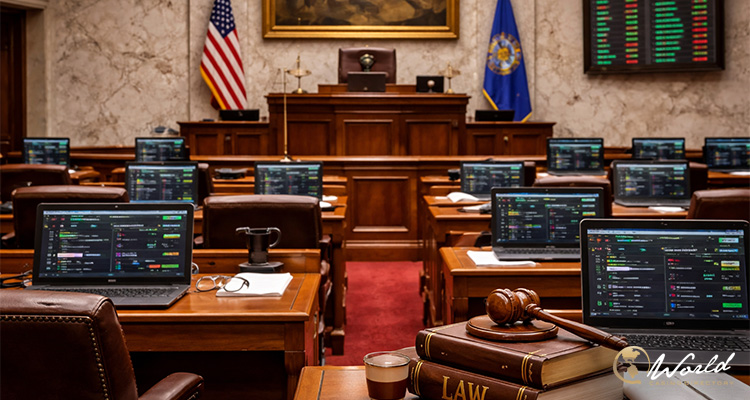
The Wisconsin State Senate has passed legislation that could legalize online sports betting in the state, sending the bill to Governor Tony Evers for potential approval. The measure, Assembly Bill 601, was approved with a 21-12 vote after passing the Assembly by voice vote in February. The bill allows residents to place wagers via mobile or electronic platforms operated under tribal authority.
Currently, Wisconsin permits gambling only on the property of federally recognized tribes. AB 601 would expand online betting by authorizing platforms whose servers are hosted on tribal land, similar to Florida’s model with the Seminole Tribe. Supporters argue the measure provides new revenue streams for tribes and enhances consumer protections.
Tribal Support and Economic Considerations
Lawmakers and tribal leaders have emphasized the bill’s role in preserving tribal sovereignty. As reported by the Milwaukee Journal Sentinel, Senate Minority Leader Dianne Hesselbein stated, “I really think that this moment is about a collective assertion of tribal sovereignty and the preservation of exclusivity that the tribes have fought for decades to protect.” The legislation ensures that tribes retain control of the operations and a substantial portion of the revenue, with 60% going directly to the tribes. Revenue sharing will continue to support state services, economic development, and tourism promotion in tribal regions.
The bill has drawn backing from local businesses and organizations, including the Milwaukee Brewers, the Forest County Potawatomi Community, the Ho-Chunk Nation, the Stockbridge-Munsee Community, the Association of Wisconsin Tourism Attractions, and the Metropolitan Milwaukee Association of Commerce. Lawmakers highlighted that regulated online wagering could curtail unregulated platforms, including emerging prediction markets like Kalshi and Polymarket, which operate in Wisconsin regardless of legality.
The bill faced opposition from some Republicans, anti-gambling advocates, and national operators such as DraftKings and FanDuel. Concerns focused on problem gambling, addictive behaviors, and potential constitutional issues. Senator Steve Nass described the bill as a driver of “family disintegration,” citing risks like lost productivity, increased bankruptcy, and social service demand. Senator André Jacque added that the current restriction to in-person casino betting creates natural limits, which the bill’s mobile framework would remove, increasing continuous engagement with sportsbooks.
A Marquette University Law School poll indicated that 64% of Wisconsin voters oppose legalizing online sports betting, while 34% support it. Governor Evers has expressed cautious support for online sports betting in consultation with tribes but has also questioned the level of backing from all affected tribal nations.
Related Legislative Measures
Alongside AB 601, the Senate also passed legislation regulating name, image, and likeness (NIL) agreements for university athletes. The NIL bill allocates $14.6 million annually to UW-Madison athletic facilities and smaller allocations to UW-Green Bay and UW-Milwaukee. The law establishes parameters for student-athlete contracts, preventing endorsements for alcohol, gambling, banned substances, or illegal activities, while giving schools the ability to engage third parties to facilitate NIL opportunities.
Additional Senate measures included funding for PFAS cleanup, next-of-kin medical authority legislation, and other appropriations, signaling a broad session focus on both public welfare and economic initiatives.
If signed by Governor Evers, AB 601 would mark Wisconsin’s first legal allowance for mobile sports wagering statewide, with operations closely overseen by tribal nations and subject to updates in tribal gaming compacts approved by the Bureau of Indian Affairs.
