
 United States
 Macau, China
 France
 Philippines
 Singapore
 Netherlands
 United Kingdom
 Canada
 Argentina
 Germany
 Estonia
 Peru
Peru Russia
 Australia
 South Africa
 Nigeria
 Malaysia
 Singapore
 India
India Finland
 China
China Ukraine
 Hong Kong
 Cyprus
 Turkey
 Greece
 Sweden
 South Korea
 Mexico
 Poland
 Ireland lottery results
 New Zealand lottery results
 Puerto Rico lottery results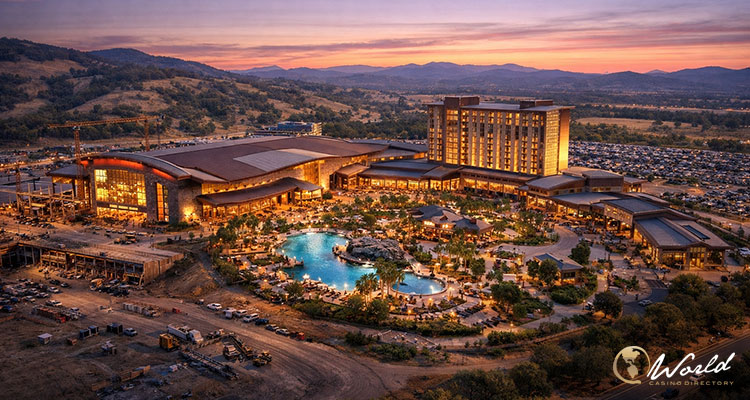
The North Fork Rancheria of Mono Indians of California says work on its casino project in Madera County will continue even after a recent California court decision left the project’s state status in further doubt. Tribal leaders have maintained that the development rests on federal approvals and federal trust land, and they signaled that the legal setback in state court will not stop construction on the resort near Highway 99.
State court ruling leaves major question unresolved
The dispute has added another chapter to a long-running fight over a casino project that has faced years of legal and political opposition. This month, the Supreme Court of California declined to review a lower court ruling that went against the North Fork Mono Casino and Resort. By leaving that decision in place, the high court allowed a December appellate ruling from Fresno judges to stand. That ruling found the casino is not authorized by the state of California.
Even so, the impact of that decision on the project’s actual opening remains unsettled. The tribe responded by pointing to federal approvals that it says control the site and its gaming rights. In a public statement, the tribe said construction of the 100,000-square-foot complex near Madera will move forward.
“The North Fork Rancheria’s right to game on its federal trust land near Madera, CA is governed exclusively by federal law. Federal approvals of the North Fork project occurred in 2012 and 2016 and the federal courts have since upheld each approval in final, non-appealable decisions,” the tribe said in a statement, The Fresno Bee reported.
“North Fork will continue to comply with all applicable law as it proceeds with construction of its project to benefit the regional economy and the lives of its more than 3000 tribal citizens.”
The recent court action followed years of litigation over whether California gave valid approval for the casino. Opponents have argued that the project lost its state backing after voters rejected it in a 2014 statewide election. That position gained traction in court. A Madera County trial court agreed with that argument in 2024, and Fresno appellate judges reached the same conclusion in December. The state Supreme Court has now declined to step in.
The latest ruling does not appear to have changed the tribe’s public timetable. North Fork has continued to say it plans to open the casino this year. One recent social media post from the project read: “This with someone who you’re bringing when we open our doors this year!”
The legal fight reflects the complicated overlap between federal tribal gaming law and state-level approvals. One supplied report noted that tribal gaming rights are primarily governed by federal laws such as the Indian Gaming Regulatory Act, while the tribe has said state law does not control gaming on its federal trust land in this case.
Federal approvals remain central to tribe’s position
North Fork has tied its position to a series of federal decisions that go back more than a decade. The land where the casino is being built has been held in federal trust for the tribe’s gaming project since 2012. The U.S. Department of the Interior determined in 2011 that the tribe could pursue the development on 305 acres north of Madera, even though the site sits more than 30 miles from the tribe’s 80-acre rancheria in the mountains of Madera County. Federal officials concluded that the tribe has ancestral ties to the site off Highway 99.
Then-Governor Jerry Brown later agreed with that federal determination and signed a tribal-state compact in 2012 allowing the casino. That approval touched off more legal challenges, including accusations of “reservation shopping” from anti-gaming opponents.
Federal court decisions have since backed the project’s federal approvals. In 2016, a federal court ruled against opponents who challenged the Department of the Interior’s authorization. U.S. District Judge Beryl Howell said at the time that, although casino opponents had raised legitimate concerns, “the law is not on their side.” More recently, the federal government approved the casino’s management agreement in 2024.
Those federal decisions now sit at the center of the tribe’s argument that the project can proceed regardless of the latest ruling in state court.
Project backers cite jobs and local spending
Construction has advanced since the tribe broke ground in 2024. The site lies just off Highway 99 between the Avenue 17 and Avenue 18-1/2 exits, and one report described the project as nearing completion as of April 14, 2026. Tribal leaders and county officials have promoted the casino as a source of jobs and new economic activity for the area.
According to the tribe’s leadership, the casino could create 1,000 jobs in Madera County. Plans for the resort include more than 2,400 slot machines, 40 table games and eight dining options.
The project has faced strong opposition from the Picayune Rancheria of the Chukchansi Indians, operator of Chukchansi Gold Resort and Casino near Highway 41. That tribe has remained one of the North Fork project’s most active challengers in court and has argued that the original state approval no longer stands.
For now, the core legal question has not ended construction. The state court record has added uncertainty around the casino’s path to opening, while the tribe continues to rely on federal law and prior federal approvals as the basis for moving ahead.
