

 United States
 Macau, China
 France
 Philippines
 Singapore
 Netherlands
 United Kingdom
 Canada
 Argentina
 Germany
 Estonia
 Peru
Peru Russia
 Australia
 South Africa
 Nigeria
 Malaysia
 Singapore
 India
India Finland
 China
China Ukraine
 Hong Kong
 Cyprus
 Turkey
 Greece
 Sweden
 South Korea
 Mexico
 Poland
 Ireland lottery results
 New Zealand lottery results
 Puerto Rico lottery results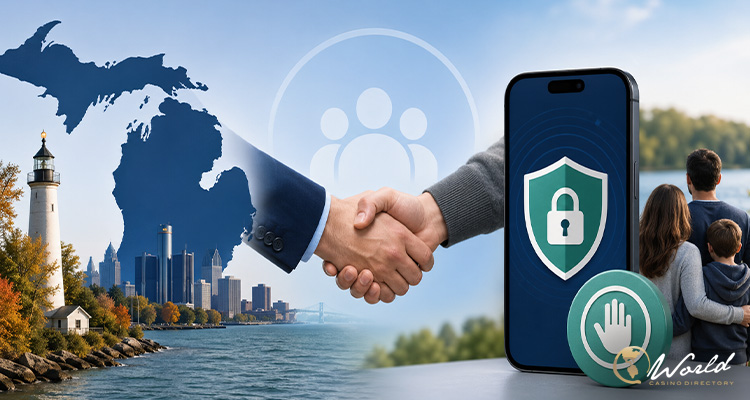
The Michigan Gaming Control Board has launched a new responsible gaming initiative through a partnership with Gamban, giving residents free access to gambling-blocking software for periods ranging from one to five years.
State officials said the program is designed to help people limit or stop online gambling activity by adding a device-level barrier across phones, tablets and computers. Residents can access the offer through the regulator’s official website and are not required to join an existing self-exclusion list to qualify.
The move adds another layer to Michigan’s responsible gaming framework as the state continues to manage one of the more mature regulated online gambling markets in the United States.
“Michigan is committed to ensuring that the expansion of legal gaming comes with the strongest possible safeguards for our residents,” MGCB Executive Director Henry Williams said. “Our partnership with Gamban gives anyone who wants help a free, proven tool to block access to online gambling — instantly and across all their devices.”
Blocking Tool Covers Multiple Gambling Categories
Gamban is designed to prevent access to gambling websites and applications across Android, iOS, Windows and macOS systems. The software is also described as intentionally difficult to remove after installation, with the aim of reducing impulsive reversals by users who seek support.
According to details released with the partnership, the software blocks gambling content regardless ofwhether an operator is licensed in Michigan or based offshore. Coverage includes online casinos, sportsbooks, poker, slots, social casinos, crypto gambling and NFT-based wagering.
Additional reporting noted that prediction markets are also listed by Gamban as blocked categories, alongside certain speculative trading environments that may trigger behaviors similar to gambling.
The software does not reportedly block long-term investment websites or unrelated online services, allowing users to continue normal digital activity while restricting gambling access.
Because the tool blocks all listed categories as a whole, users cannot customize which sectors remain available after installation.
The free-license program arrives as Michigan continues to develop consumer protection tools several years after becoming an early adopter of regulated online sports betting and online casino gaming.
The regulator cited National Council on Problem Gambling figures estimating that roughly 2% of Americans meet the criteria for gambling addiction. Michigan officials said broader access to digital wagering increases the need for stronger safeguards.
Existing state programs already include the Responsible Gaming Database for online self-exclusion, the Disassociated Persons List covering Detroit’s commercial casinos, and the “Don’t Regret the Bet” public awareness campaign.
Residents who choose Gamban are not obligated to enroll in the statewide self-exclusion system, although the MGCB said individuals already using those services are encouraged to add the software as an extra support measure.
Sandra Johnson, MGCB Responsible Gaming Section Manager, said in the regulator’s press release: “Gamban helps people take back control, and this partnership ensures that anyone in Michigan who wants that help can get it — free of charge.”
Cost Barrier Removed Through State Partnership
The regulator and Gamban both highlighted affordability as a key reason for the agreement. By covering license costs, Michigan aims to make the tool available to anyone who wants help without financial obstacles.
Matt Zarb-Cousin, Director of External Affairs at Gamban, said: “We are delighted to partner with the Michigan Gaming Control Board to make Gamban free for people where cost might otherwise be a barrier.”
“When someone takes the first step toward quitting gambling, they will be made aware of all the services available in the state via the Gamban app, while it works to block gambling sites and apps in the background.”
The announcement comes as Michigan has also taken an assertive stance toward unlicensed gambling activity. In April 2026, the regulator said it had issued cease-and-desist notices to 45 operators offering online casino or sports betting products without authorization.
Prediction market platforms have also faced scrutiny. In March, Michigan Attorney General Dana Nessel filed suit against Kalshi seeking a permanent injunction related to sports event contracts in the state.
Against that backdrop, the Gamban partnership reflects a dual-track policy approach: enforcement against unauthorized operators alongside expanded harm-reduction tools for residents who want to control their gambling exposure.
