

 United States
 Macau, China
 France
 Philippines
 Singapore
 Netherlands
 United Kingdom
 Canada
 Argentina
 Germany
 Estonia
 Peru
Peru Russia
 Australia
 South Africa
 Nigeria
 Malaysia
 Singapore
 India
India Finland
 China
China Ukraine
 Hong Kong
 Cyprus
 Turkey
 Greece
 Sweden
 South Korea
 Mexico
 Poland
 Ireland lottery results
 New Zealand lottery results
 Puerto Rico lottery results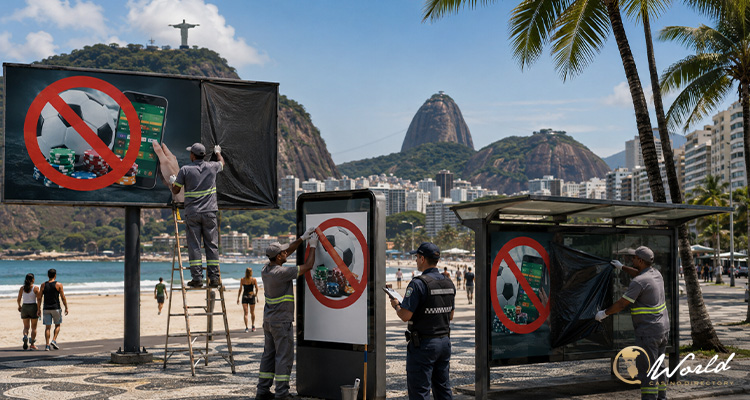
Rio de Janeiro has become the first state capital in Brazil to prohibit sports betting advertising in public spaces, introducing a municipal restriction that follows recent federal action aimed at tightening controls on gambling marketing.
The measure took effect immediately after publication in the city’s official gazette on Monday, according to Courthouse News Service. Under Rio Decree No. 58,274, betting operators can no longer promote their brands in outdoor advertising locations, on street furniture, at city-sponsored events, or in other spaces that depend on municipal authorization, permits, licenses, concessions, or similar approvals.
Commuters passing through the Siqueira Campos Metro station saw evidence of the change when a billboard previously promoting a betting platform was replaced with a municipal notice. The replacement banner stated that a sports betting advertisement had been removed and warned that online betting can contribute to addiction, debt, financial instability, and family breakdown.
The city’s action arrived only days after Brazil’s federal government introduced new advertising restrictions for licensed betting operators. Authorities at the national level have increased scrutiny of gambling promotions as concerns grow about the way betting companies market their services to consumers.
Municipal Rules Expand Limits on Gambling Promotion
The new Rio decree applies broadly to betting-related branding and promotional materials. The restriction covers trademarks, company names, websites, digital platforms, mobile applications, promotional campaigns, bonuses, prizes, incentives, logos, mascots, slogans, symbols, and other visual elements that identify operators authorized to offer fixed-odds betting.
City Hall also extended the prohibition to events sponsored, contracted, or organized by municipal authorities. Municipal agencies must enforce the rules when creating, renewing, extending, or reviewing agreements involving advertising on public property or in spaces regulated by the city.
Advertisers and advertising companies must remove existing betting advertisements and modify approved advertising structures to comply with the regulation. While enforcement began immediately, authorities suspended fines for a maximum period of 10 days after publication to allow for adjustments. The Licensing and Inspection Coordination Office (CLF) received authority to oversee compliance and can order the immediate removal of advertisements that violate the decree.
Companies that fail to comply may face penalties under municipal legislation. Authorities may also revoke or cancel advertising licenses and authorizations where applicable.
City officials justified the move by citing municipal powers over urban planning, public assets, and advertising regulation. The decree also references concerns about the impact of extensive gambling advertising on mental health, particularly among children and adolescents.
Federal Government Tightens Advertising Standards
Rio’s decision came shortly after the federal government issued new rules governing gambling promotions.
Interministerial Ordinance No. 73, signed by the Finance Ministry, Justice Ministry, and the Presidential Communications Secretariat, prohibits advertisements from presenting fixed-odds betting as an investment opportunity, a source of additional income, or a solution to financial difficulties. The ordinance also bars messages that encourage immediate wagering and restricts sports analysis or commentary designed to persuade viewers to place bets during live sporting events.
At the same time, Finance Ministry Ordinance No. 1,964 revised advertising requirements for licensed operators. Beginning July 17, advertisements must display warning messages including statements such as “betting is not an investment” and “betting makes you lose money.”
The federal measures emerged amid growing concern over betting advertisements broadcast during World Cup coverage and other sporting events.
Investigations Continue Into Betting Marketing Practices
Several investigations remain underway regarding gambling-related advertising. Brazil’s National Consumer Secretariat (Senacon) opened a preliminary inquiry in June into advertisements aired by CazéTV. The National Advertising Self-Regulation Council (Conar) launched three separate proceedings and recommended suspending commercials that emphasized betting odds or encouraged wagers during matches.
Meanwhile, the Finance Ministry’s Secretariat of Prizes and Bets requested explanations from four betting operators and two media organizations regarding campaigns suspected of breaching advertising regulations.
Authorities have increasingly focused on advertising formats that combine sports commentary, promotional content, and real-time betting prompts. Senacon stated that it has expanded its review beyond a single broadcaster and is now examining practices across a wider range of broadcasters and websites.
According to the agency, regulators are assessing marketing activities that encourage immediate betting, downplay gambling risks, or blur the line between independent sports coverage and commercial promotion.
Legal specialists noted that the new federal requirements affect more than betting operators themselves. Eduardo Bruzzi, a partner at BBL Advogados, said platforms, influencers, media companies, and content producers involved in advertising campaigns must verify and retain information confirming that advertisers hold proper authorization.
He also pointed out that the federal rules prohibit wagering strategies, forecasts, and sports analysis intended to encourage betting during live events.
Gisele Karassawa, a partner at VLK Advogados, said gambling regulation and advertising regulation operate together. “Allowing an activity that may affect consumers’ financial and mental health also means the government assumes responsibility for establishing conditions for responsible advertising,” Karassawa said.
Mayor Eduardo Cavaliere strongly supported Rio’s decision, describing sports betting as “a plague” and stating that the city intends to become “a national example” in addressing the issue.
