

 United States
 Macau, China
 France
 Philippines
 Singapore
 Netherlands
 United Kingdom
 Canada
 Argentina
 Germany
 Estonia
 Peru
Peru Russia
 Australia
 South Africa
 Nigeria
 Malaysia
 Singapore
 India
India Finland
 China
China Ukraine
 Hong Kong
 Cyprus
 Turkey
 Greece
 Sweden
 South Korea
 Mexico
 Poland
 Ireland lottery results
 New Zealand lottery results
 Puerto Rico lottery results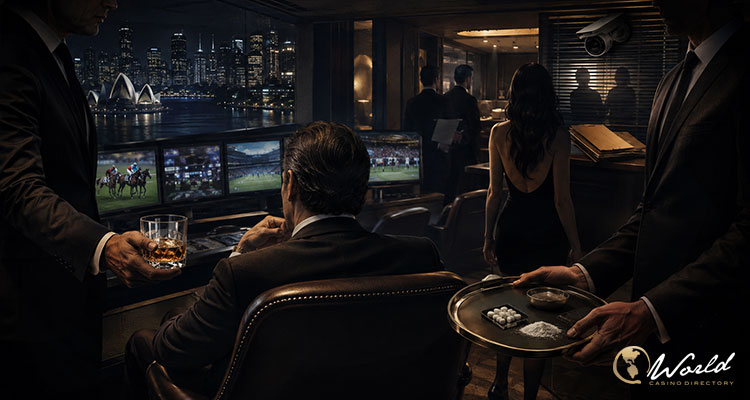
Sportsbet and Tabcorp have denied allegations that betting company representatives provided vulnerable customers with drugs, alcohol and access to sex workers to encourage further gambling activity.
The claims were raised during a Senate inquiry examining the Australian government’s proposed gambling advertising reforms. Gambling reform advocates Tim Costello and Luke Bateman told the inquiry that some problem gamblers had allegedly received inappropriate incentives from wagering companies, including substances and personal services.
Both major betting operators said they had found no evidence supporting the accusations and asked for additional information to allow authorities and companies to investigate the claims.
Jules Norton Selzer, director of corporate affairs at Sportsbet, told the inquiry that the company had “zero evidence of the allegations”.
“We have no tolerance for that kind of deplorable conduct and information,” he said.
“No information has been provided to us beyond what was referenced yesterday, and we will gladly investigate it.”
Sportsbet said its focus remained on responsible customer engagement and supporting consumer protection measures across the regulatory frameworks in which it operates.
“Our objective is for adult customers to enjoy our product safely and responsibly, and that is why we continue to support measures to reduce underage exposure and strengthen consumer protections across the range of federal and state regulatory models that we operate within,” Norton Selzer said.
Claims Raised During Gambling Reform Inquiry
Former Canberra Raiders NRL player Luke Bateman appeared before the inquiry and alleged that betting representatives offered to arrange illicit drugs while he was dealing with a serious gambling addiction.
Bateman said he had attended private events organised by gambling companies when he was younger and claimed senior company figures were present during one gathering where illegal drug use occurred.
“There was another time I remember when I went to an exclusive event through a betting company that was hosted in … a rental on the canals of the Gold Coast, and the entire sort of C-suite of the company was there. They were sort of all in the back room doing drugs together, and I was out in this room doing drugs with all of them. This is like the chief executive, the founders, the VIP managers,” Bateman said.
Costello, who represents the Alliance for Gambling Reform, also told the inquiry about a former gambler who is preparing to plead guilty to stealing millions of dollars and who allegedly received drugs, escorts and accommodation linked to gambling activity.
The man referenced during the hearing was later described as having been charged over the alleged theft of $12.3 million.
Sportsbet and Tabcorp have rejected any suggestion that such practices form part of their customer relationships.
Tabcorp’s head of government affairs, Julian Whealing, said providing drugs, sex workers or alcohol was not part of the company’s operations.
“Tabcorp has zero tolerance for this behavior, we are Australia’s most regulated wagering company, and we take our responsibilities to compliance seriously,” he said, as The Guardian reports.
“Any evidence of this illegal activity should be referred to the relevant authorities.”
The company said it has around 800,000 active customers, with approximately 400 classified as VIP customers. Whealing estimated that about 20 employees work as VIP account managers, while Sportsbet has similar staffing levels in that area.
Industry Responds To Broader Advertising Concerns
The Senate inquiry is also considering proposed changes to gambling advertising and promotion rules. The government’s Interactive Gambling Amendment (Gambling Reform) Bill 2026 includes restrictions on gambling advertisements during certain television hours, limits on online gambling promotions, and bans on using athletes, celebrities and influencers to promote wagering products.
The proposed measures also include restrictions on gambling advertisements during live sporting broadcasts, radio advertising during school travel periods, and promotions displayed at sporting venues or on uniforms.
Responsible Wagering Australia chief executive Kai Cantwell said the industry strongly rejected the allegations raised during the inquiry and encouraged anyone with evidence of illegal conduct to report it.
“If these claims are true, we strongly recommend complaints are levelled with the individual operators as well as law enforcement and regulators, so that clearly illegal behaviours can be properly investigated,” he said.
Cantwell also acknowledged that the wagering sector had faced criticism over advertising practices.
“Where we’re presented with cases where we may have got things wrong, we’re quick to act, we understand … we may be on thin ice,” he said.
“We listen to community sentiment … around advertising and promotions, and we are acting, and we have been acting over the past five years.”
