

 United States
 Macau, China
 France
 Philippines
 Singapore
 Netherlands
 United Kingdom
 Canada
 Argentina
 Germany
 Estonia
 Peru
Peru Russia
 Australia
 South Africa
 Nigeria
 Malaysia
 Singapore
 India
India Finland
 China
China Ukraine
 Hong Kong
 Cyprus
 Turkey
 Greece
 Sweden
 South Korea
 Mexico
 Poland
 Ireland lottery results
 New Zealand lottery results
 Puerto Rico lottery results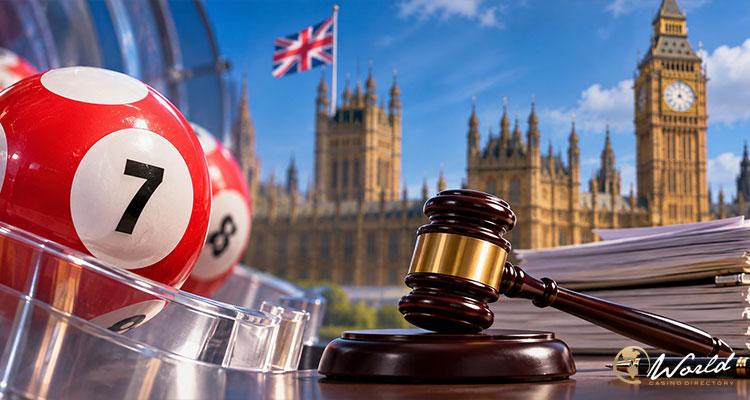
The UK government has launched a consultation on proposals that would prevent licensed betting operators from offering wagers on the outcome of National Lottery Powerball draws, a move aimed at aligning the game with existing protections that apply to other National Lottery products.
The consultation, led by the Department for Digital, Culture, Media and Sport (DCMS), opened this week and will remain active until 23:59 on 4 November 2026. Officials are seeking feedback from businesses, consumers, lottery stakeholders and other interested parties before deciding whether to introduce a new licence condition covering the recently launched game.
Powerball joined the National Lottery portfolio in June 2026 after being introduced by Allwyn UK, marking the first time the lottery format had been launched outside the United States. The game is known for producing exceptionally large jackpots, with prizes in the US occasionally reaching into the billions. The largest recorded Powerball jackpot was won in November 2022 and totaled $2 billion.
New Powerball Creates Regulatory Gap
The government’s proposal stems from a legislative situation that emerged after Powerball’s arrival in the United Kingdom market.
Under Section 95 of the Gambling Act 2005, betting operators are generally permitted to offer bets on the outcomes of overseas lotteries. This has allowed bookmakers to accept wagers linked to lotteries in countries such as the United States, Ireland and Spain. However, betting on National Lottery products is prohibited.
The issue, according to the government, is that the legislation was drafted before Powerball became part of the National Lottery. As a result, the game is not specifically included within the existing restrictions that cover products such as Lotto, EuroMillions and Thunderball.
Officials now want to close that gap by introducing a license condition that would prevent third-party betting on Powerball draws.
Vicky Foxcroft, Undersecretary of State at the Department of Digital, Culture and Media and Sport (DCMS), said that Section 95 “seeks to preserve the distinction between betting and the National Lottery”.
She added that the government wants to prevent “customer confusion and threats to the additional good causes expected to be raised from Powerball” by stopping third-party betting on the game.
“The government therefore proposes to prohibit licensed operators in Great Britain from offering third party bets on the National Lottery’s Powerball game draws,” Foxcroft said. “This will aim to remove risks of customer confusion for players, and ensure National Lottery good causes are maximized.”
Protecting Lottery Funding and Market Distinctions
A central argument behind the proposal is the government’s desire to maintain what it describes as a clear separation between National Lottery products and the wider gambling sector.
According to consultation documents, previous experience involving EuroMillions demonstrated that consumers may mistakenly believe they are participating directly in a lottery draw when placing a third-party bet on its outcome. Officials argue that similar confusion could arise with Powerball if betting markets continue to be offered alongside the National Lottery version of the game.
The government also highlighted the importance of protecting funding generated through National Lottery products. Money raised through lottery participation contributes to a range of Good Causes across the UK, and policymakers believe customer confusion could potentially divert spending away from the official game.
Allwyn has projected that the UK version of Powerball could generate an additional £1 billion for Good Causes over the next five years.
The consultation document states: “To continue to preserve this clear boundary between the National Lottery and gambling that Section 95 of the Gambling Act seeks to achieve, and to prevent potential negative impact on National Lottery good cause returns, we propose introducing a license condition to prohibit UK operators from offering bets on Powerball.”
The proposed restriction would be implemented through licensing powers under Section 78(1) of the Gambling Act 2005.
Consultation Period Underway
Before settling on the proposed approach, the government considered several alternatives. These included a wider ban covering all lottery betting products, encouraging voluntary industry action through the Gambling Commission and requiring operators to make contributions to Good Causes. Those options were ultimately not selected.
Instead, ministers are focusing specifically on Powerball in an effort to bring the game into line with the rest of the National Lottery portfolio. Foxcroft said the government is seeking contributions from a broad range of stakeholders before making a final decision.
The consultation will remain open until 4 November 2026, with the government requesting a wide range of views from organizations and individuals throughout the betting, gaming and lottery industries.
The proposal also arrives during a period of broader scrutiny of gambling regulation in the UK. Recent discussions have included changes to retail gaming licensing rules and reports that policymakers are examining potential adjustments to gaming machine taxation. While those matters are separate from the Powerball consultation, they reflect ongoing attention on the structure and regulation of gambling-related activities across the country.
