

 United States
 Macau, China
 France
 Philippines
 Singapore
 Netherlands
 United Kingdom
 Canada
 Argentina
 Germany
 Estonia
 Peru
Peru Russia
 Australia
 South Africa
 Nigeria
 Malaysia
 Singapore
 India
India Finland
 China
China Ukraine
 Hong Kong
 Cyprus
 Turkey
 Greece
 Sweden
 South Korea
 Mexico
 Poland
 Ireland lottery results
 New Zealand lottery results
 Puerto Rico lottery results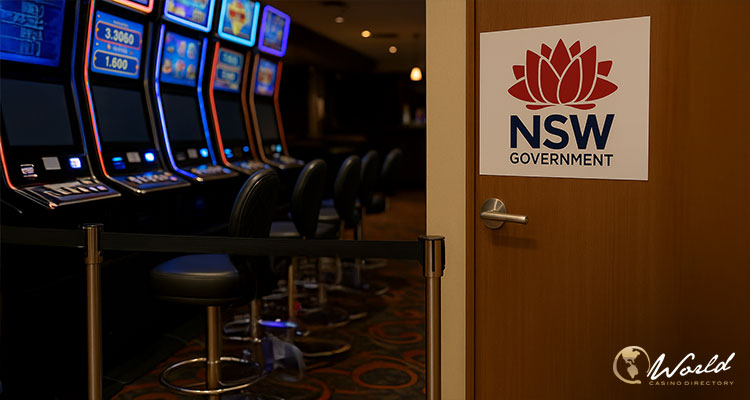
Beginning March 31, 2026, every pub and club across New South Wales, Australia, will be required to power down their electronic gaming machines for a uniform six-hour block each day, from 4 a.m. to 10 a.m. The statewide mandate effectively ends the patchwork of exemptions that previously allowed hundreds of venues to operate outside the shutdown window. NSW maintains nearly 90,000 machines—almost half of Australia’s total and second only to Nevada globally—underscoring the sweeping impact of the move.
Officials emphasized that the state’s “outdated” exemption structure prompted the reform. A 2023 study titled “The Impact of electronic gaming machine (EGM) late night play on EGM player behaviour” found that 70.5% of gamblers active between 4 a.m. and 10 a.m. fall into the high-risk or moderate-risk categories. According to the government, the daily closure period is intended to serve as an enforced pause, enabling players to reset, reflect, and break the “zone” associated with harmful play.
Scrapping Longstanding Variations Used by Hundreds of Venues
For more than 20 years, more than 670 pubs and clubs used legislative loopholes or historical approvals—often granted for claims of financial hardship, extended trading histories, or location-based demands—to deviate from the mandated shutdown period. An independent panel tasked with assessing the system concluded these variations should be repealed. It also determined the shutdown did not need to be extended beyond six hours.
Gaming Minister David Harris confirmed the decision aligns with the panel’s findings. “The Minns Labor Government takes gambling harm minimization seriously and these changes are a continuation of measures we are making to protecting people in NSW who are experiencing harm,” he said according to Inside Asian Gaming. Harris added that many exemptions were antiquated: “Following months of review, it is clear the 20-year-old variations enabling more than 670 clubs and pubs with gaming machines to operate outside of the mandated hours were no longer fit for purpose.”
He also addressed concerns that the government acted slowly: “They were given those exemptions, some of them 20 years ago, some of them for hardship which clearly isn’t the case now. These are businesses and you can’t just jump in and just cut them off at the throat.” Harris noted the phased revocation process would still allow venues to present new applications for adjusted hours under updated criteria.
Advocates Call Reform Necessary but Minimal
Gambling-harm advocates described the standardized shutdown as a step forward, though some argued it falls short of broader reform needs. Greens MP Cate Faehrmann criticized the long delay in closing the loophole, stating the rule is “the absolute bare minimum” the government should undertake. “Shutting down this loophole should have never taken this long … this exemption has been exploited for years by venues chasing every last dollar of gambling harm,” she said.
Community organizations also endorsed the decision. NSW Council of Social Service CEO Cara Varian said the uniform closure gives vulnerable communities a needed pause: “Vulnerable communities exposed to the growing social and economic costs of problem gambling will now have a buffer where these venues will close their gaming rooms.”
Recent analysis from the Grattan Institute estimated NSW residents lost $1,288 per adult on pokies in 2023—double the national average—highlighting the scale of the issue.
Part of Broader Harm-Reduction Strategy
The elimination of shutdown exemptions joins a series of gambling reforms introduced in recent years. These include slashing the cash input limit for new gaming machines from AU$5,000 to AU$500, reducing the statewide cap on machine entitlements, banning political donations from clubs with EGMs, imposing strict rules on external and visible internal gaming signage, and requiring Responsible Gambling Officers in venues with more than 20 entitlements.
The shutdown rule applies only to pubs and clubs—casinos will not be subject to the daily 4 a.m. to 10 a.m. requirement.