

 United States
 Macau, China
 France
 Philippines
 Singapore
 Netherlands
 United Kingdom
 Canada
 Argentina
 Germany
 Estonia
 Peru
 Russia
 Australia
 South Africa
 Nigeria
 Malaysia
 Singapore
 India
 Finland
 China
 Ukraine
 Hong Kong
 Cyprus
 Turkey
 Greece
 Sweden
 South Korea
 Mexico
 Poland
 Ireland lottery results
 New Zealand lottery results
 Puerto Rico lottery results
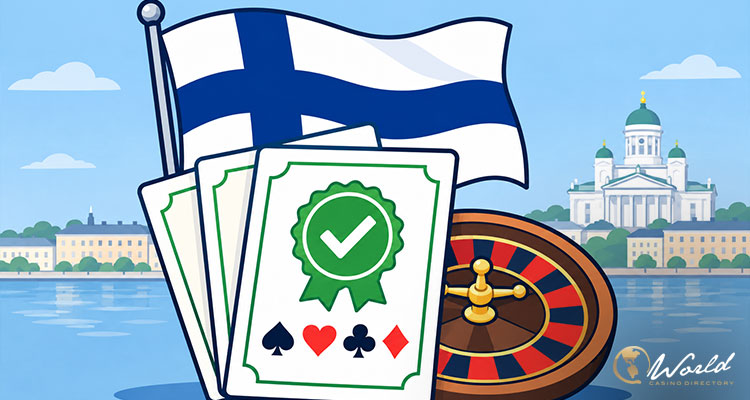
Finland has granted the first 18 gambling licences under the system that will open parts of its market to competition from July 1, 2027, creating a new challenge for casino comparison sites: how to rank operators during the transition from monopoly to licensing.
The scale of the shift is significant. Finland’s gambling market generated an estimated €1.51 billion in 2024, with Veikkaus retaining approximately 63% of the market. By October 29, 2026, regulators had granted 18 gambling licences and were processing another 63 applications.
Casino rankings must adjust because traditional comparison criteria tell only one part of the story.
Game libraries, payment methods, withdrawal speeds and promotional offers remain crucial. The US market shows the financial stakes: online casinos across seven legal states yielded $10.73 billion in 2025, up 27.6% year on year. Nonetheless, commercial appeal cannot outweigh legal eligibility.
For a ranking aimed at Finland’s regulated market, domestic authorization should determine whether an operator qualifies for inclusion before bonuses, games or other commercial features are scored.
The foremost question remains straightforward: can this operator legally serve your market?
From one operator to a competitive market
Finland is an exemplary case study to observe; its new Gambling Act takes effect on July 1, 2027, ending Veikkaus Oy’s exclusive position in betting, online slot games and online casino services and letting licensed private operators compete.
Veikkaus will retain exclusive rights over lottery-type games, scratch cards, physical slot machines and casino games.
Finnish licence applications opened on March 1, 2026. The first approvals were issued on October 29, but those licences do not allow operators to begin offering or marketing gambling under the new system before the market opens on July 1, 2027.
That gap is critical if you’re researching casinos ahead of the transition: a foreign licence is not permission to serve Finnish customers under the new domestic system. A ranking has to indicate the difference between what’s legally available today and what will be authorized domestically once the new market opens.
Put licensing first
Regulatory status should head the list, with who issued the licence, the licence number, which activities it covers and when it takes effect.
Comparison sites must also separate applications awaiting a conclusion from approved licences, as the two represent distinctly different legal positions. Leave those details out and a casino can look prepared for a market it hasn’t been cleared for.
Finland is also reassigning who supervises; the National Police Board handles licence applications through the transitional period, with the Finnish Supervisory Agency taking over licensing and supervision from July 2027.
Rankings should follow that transition, with records reviewed regularly and verification dates displayed clearly, so you can see which authority oversees which operator.
Why comparison sites need a new approach
Comparison sites have genuine work to accomplish as these markets extend.
Finland’s market opening on July 1, 2027 creates a clear test case: local comparison resources such as kasinoranking.com will need to distinguish currently available foreign-licensed casinos from operators approved under the new domestic system.
Rankings that fail to date-stamp their licensing information risk mixing two different regulatory eras in the same list.
A bona fide and practical ranking could split authorized domestic operators, applicants waiting on a decision and internationally licensed casinos with no Finnish authorization.
Each party needs its legal position clearly demarcated, so you know what a listing truly means. That’s worthwhile during a change, when older comparison pages can keep displaying information from the prior setup.
What the American market shows
The US is a pertinent comparison point because online casino regulation operates state by state, not through one national licensing scheme.
The American Gaming Association’s 2026 State of the States report notes that Maine became the latest state to enact internet-gaming legislation in January 2026, although implementation remained subject to the state’s rulemaking process.
State regulators show why your location is critical, such as New Jersey’s Division of Gaming Enforcement publishing approved internet gaming sites and naming platforms without authorization.
Meanwhile, Michigan’s Gaming Control Board disseminates information on legal operators and investigates unauthorized examples.
Ultimately, being accepted in one state tells you little about eligibility in the next.
Looking past the licence
A licence decides if an operator gets assessed at all, so the comparison itself should examine protections you’d truly notice, like identity checks, withdrawal procedures you can follow, a complaints procedure you can easily initiate, deposit limits and self-exclusion mechanisms.
Clear signposting to gambling-related aid belongs in the same discussion, with those measures stating far more about reliability than an abundant bonus.
Money concerns get the same treatment, particularly withdrawal limits, account restrictions and bonus conditions.
Rankings should observe the difference between independently checked information and claims an operator presents, letting complaints data and enforcement decisions inform the assessment where concrete records exist.
Generally speaking, you should also be able to notice how each element factors into a casino’s general position.
Rankings for the market that’s actually there
Moving from a monopoly to licensing transforms what you should anticipate from a casino ranking.
Picking out popular platforms and comparing promotions is the most effortless component; players also demand legal eligibility, the protections that apply and the differences between competing services.
This all takes objective research and a clear understanding of the difference between regulatory approval and commercial quality.
Finland’s 2027 opening gives comparison sites an opportunity to set more transparent standards, with licensing records updated regularly, assessments built for each jurisdiction and scoring criteria explained plainly.
This all lends players a stronger foundation. Perhaps the most useful ranking tells you why an operator qualifies and how it performs, so more competition turns into better-judged choices overall.
