

 United States
 Macau, China
 France
 Philippines
 Singapore
 Netherlands
 United Kingdom
 Canada
 Argentina
 Germany
 Estonia
 Peru
Peru Russia
 Australia
 South Africa
 Nigeria
 Malaysia
 Singapore
 India
India Finland
 China
China Ukraine
 Hong Kong
 Cyprus
 Turkey
 Greece
 Sweden
 South Korea
 Mexico
 Poland
 Ireland lottery results
 New Zealand lottery results
 Puerto Rico lottery results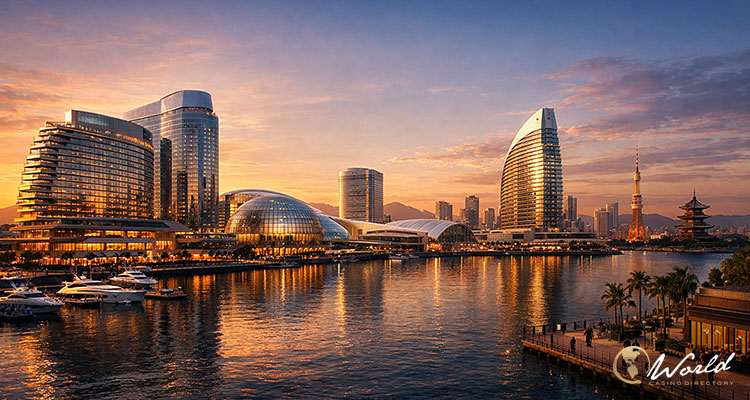
Japan’s casino industry is entering an exciting new phase with the official confirmation of a second round of applications for integrated resorts (IRs). The Japanese government has set the window for local governments to submit applications from May 6, 2027, to November 5, 2027. This announcement follows a cabinet order approved on March 10, 2026, under the country’s Integrated Resort Implementation Act. With a clear roadmap ahead, this marks a pivotal step in Japan’s goal to establish a regulated and thriving casino sector.
A Pivotal Move Toward Economic Growth
The announcement opens up new opportunities for prefectures, or local regions, to submit their proposals for IR developments. Under the framework, only three IR licenses are available across the nation, and after the first round in 2023, only one project, MGM Resorts International’s Osaka IR, was approved. This $10 billion project, developed in partnership with Japan’s Orix Corporation, is scheduled to open in 2030, marking a significant milestone in Japan’s aspirations for large-scale tourism growth through integrated resorts.
According to Asia Gaming Brief, the new application window will allow areas that missed out on the first round, such as Nagasaki and Wakayama, to try again. Prefectures like Hokkaido and Aichi have also shown interest in applying for IR licenses, with some already beginning internal discussions about the potential economic benefits. Aichi Prefecture, for example, has reportedly allocated funds to explore the feasibility of an IR-linked tourism project.
Japan’s casino developments were originally part of a broader economic strategy, with former Prime Minister Shinzo Abe championing them as a way to attract foreign investment and boost tourism. His successor, Prime Minister Sanae Takaichi, has continued to advocate for the IR sector as part of her plan to enhance Japan’s economy. After her victory in the 2025 election, Takaichi instructed the Ministry of Tourism to prioritize IR projects, signaling the government’s readiness to accelerate casino development.
The expansion of the IR sector has been modeled on Singapore’s successful integrated resort strategy, which focuses on creating multifaceted hubs that are not solely centered around gambling. This approach contrasts with Macau, where the focus has traditionally been on gaming. As Japan’s first female prime minister, Takaichi is positioning the casino industry as a key driver for broader economic growth and job creation. Her leadership has placed an emphasis on stimulating the economy through tax cuts, increased spending, and the development of tourism infrastructure, with casinos playing a significant role in that vision.
Challenges and Opportunities Ahead
However, the journey to establishing a well-regulated casino sector has not been without its hurdles. Early proposals and legislation encountered public resistance, particularly from groups concerned about the social impacts of gambling. Despite the growth of the casino sector, Prime Minister Takaichi has expressed a firm stance against the expansion of online gambling, citing concerns about its links to criminal activities and its potential to drain Japanese wealth abroad.
In a national address, Takaichi stressed the importance of tackling the growing online gambling sector, particularly mobile casinos, which she believes are a major driver of addiction. She pledged to take swift action against the proliferation of online casino advertisements, adding that such measures would help curb the spread of gambling addiction.
As Japan prepares for the upcoming application process, the future of its casino and tourism industry looks promising. The country’s regulatory framework for land-based casinos has gained momentum, and the opportunity for local governments to participate in the second round of applications brings new potential for regions to benefit economically. While online casinos face increasing scrutiny, Japan’s focus on developing integrated resorts is part of a larger effort to reshape the nation’s tourism landscape and position it as a global destination.
By 2028, the MGM Osaka resort is expected to open, and with more projects on the horizon, Japan is laying the groundwork for a thriving casino industry. The government’s continued push to prioritize economic growth through regulated gaming, alongside a commitment to addressing social concerns, sets the stage for a balanced and sustainable casino market in the years ahead.
