

 United States
 Macau, China
 France
 Philippines
 Singapore
 Netherlands
 United Kingdom
 Canada
 Argentina
 Germany
 Estonia
 Peru
 Russia
 Australia
 South Africa
 Nigeria
 Malaysia
 Singapore
 India
 Finland
 China
 Ukraine
 Hong Kong
 Cyprus
 Turkey
 Greece
 Sweden
 South Korea
 Mexico
 Poland
 Ireland lottery results
 New Zealand lottery results
 Puerto Rico lottery results
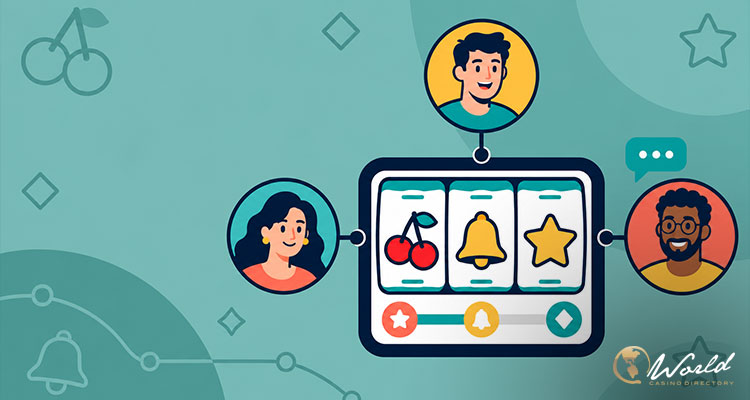
Online slots are moving beyond free spins and simple pick-and-click bonuses, with a new generation of games adding multiplayer competition, missions and more visible player choices around traditional reel mechanics.
That trend gained another high-profile example on October 21, 2026, when Codere Online announced the rollout of G Games’ 99 Royale in Mexico. The format allows up to 99 players to compete at the same time, with successful spins generating power that can be used to attack opponents or strengthen a player’s position.
The underlying slot outcomes remain random, but the multiplayer layer shows how developers are increasingly adding decision-making, progression and social interaction around conventional slot play.
It is part of a broader trend toward more interactive bonus experiences, where the player is given more to do than simply wait for a feature to finish.
Defining the Interactive Bonus Experience
In classic slots, bonus features typically consisted of free-spin rounds or simple choices, with outcomes determined by the game’s built-in mechanics.
Interactive bonus rounds give players more visible decisions about how a feature unfolds. A game might allow the player to choose between different routes, reward structures or progression paths while still operating within the rules and probabilities established by the game.
99 Royale pushes that idea further by placing individual slot sessions inside a multiplayer environment. Players are not changing whether a spin wins or loses, but they can make decisions about how to use the power or progress generated by those spins.
That distinction is important: interactivity can change the experience without changing the basic random nature of the slot outcome.
Multiplayer Features Add a New Kind of Engagement
The arrival of formats such as 99 Royale introduces another layer: interaction with other players.
Instead of focusing only on the reels, players can now find themselves competing on leaderboards, completing side missions or making decisions that affect their standing against others.
That is a notable shift for a format that has traditionally been solitary.
Slots have long been designed around individual sessions, even when progressive jackpots or tournaments connected multiple players indirectly.
Multiplayer formats make that connection more visible.
The core game may still be based on random outcomes, but the surrounding experience can feel more competitive and social.
That may be particularly appealing to players who are already familiar with mobile games built around progression, rankings and short competitive sessions.
Popular Mechanics Are Becoming More Layered
Modern interactive slots can use branching paths, collection meters, multi-stage features and missions, giving players more visible decisions during bonus sequences.
Mini-games can offer different routes or reward structures, while collection systems can unlock additional stages or bonuses.
Some games introduce light strategic elements, where the player chooses how to use a resource or which objective to pursue.
The design can feel closer to a video game than a traditional one-screen slot, particularly when progress carries through several stages.
Players browsing modern slot libraries through platforms such as Reel Zappy Social Casino may increasingly encounter games built around layered bonuses, collection systems and other interactive features rather than simple reel spins alone.
Choice Can Increase Player Involvement
The appeal of these mechanics is not difficult to understand.
Making decisions during a bonus round can create a stronger sense of participation and anticipation. A player may feel more involved when choosing between two routes, deciding when to use a feature or completing a progression goal.
That can make the feature feel more memorable than a standard set of automated free spins.
It is still important to separate the feeling of control from actual control over random outcomes.
Interactive elements do not guarantee better results. Where the game uses a random number generator, the underlying outcome remains governed by the slot’s programmed probabilities.
The player’s choice can influence how a feature is presented or which permitted reward path is followed, but it does not turn a game of chance into a game of skill.
Pacing and Anticipation Still Matter
Interactive bonuses can also change the pace of a slot session.
A traditional free-spin feature may run through a fixed number of spins with little player input. A multi-stage bonus can pause between rounds, present choices or build toward an objective.
That creates more variation in rhythm.
Different bonus formats can be designed around larger but less frequent prizes or smaller, more frequent rewards. Where players are offered choices within the feature, those choices operate within the rules and probabilities already established by the game.
The result may feel more dynamic, but the underlying volatility is still determined by the game design rather than by the player’s ability to make a “correct” decision.
Complex Features Need Clearer Explanations
As bonus mechanics become more complicated, transparency becomes more important.
Players need to understand what a choice actually does.
Game developers typically explain bonus mechanics through paytables, help screens or on-screen instructions, but more interactive games can require clearer guidance than a traditional slot.
A player choosing between two bonus routes should be able to tell whether the decision affects reward structure, progression, presentation or something else.
The same applies to multiplayer mechanics.
If a game allows players to attack opponents, complete missions or earn leaderboard positions, the relationship between those systems and the underlying slot outcome should be clear.
Without that distinction, an interactive feature can create the impression that player skill has more influence over the result than it actually does.
Slot Design Is Borrowing More From Video Games
The wider direction is becoming increasingly visible.
Modern slots are borrowing more ideas from video games, including missions, progression systems, collection mechanics, rankings and multiplayer competition.
That does not mean the underlying product has stopped being a slot.
The reels, RNG and payout structure remain central.
What is changing is the entertainment layer built around them.
The launch and expansion of games such as 99 Royale show how far that process can go. A slot can now sit inside a broader competitive structure where players make choices, complete objectives and interact with others while the core spin outcomes remain random.
The Next Stage of Interactive Slots
Future slot games are likely to push those ideas further.
Narrative progression, missions, social competition and community-based features all give developers ways to make sessions feel less repetitive without abandoning the familiar slot format.
Interactive bonus rounds are likely to remain part of that evolution because they give players something active to do while preserving the underlying chance-based structure.
The most important distinction will remain the same.
More interaction does not necessarily mean more influence over the odds.
The new generation of slots is changing how players experience the game, not the basic role of chance within it.
