

 United States
 Macau, China
 France
 Philippines
 Singapore
 Netherlands
 United Kingdom
 Canada
 Argentina
 Germany
 Estonia
 Peru
Peru Russia
 Australia
 South Africa
 Nigeria
 Malaysia
 Singapore
 India
India Finland
 China
China Ukraine
 Hong Kong
 Cyprus
 Turkey
 Greece
 Sweden
 South Korea
 Mexico
 Poland
 Ireland lottery results
 New Zealand lottery results
 Puerto Rico lottery results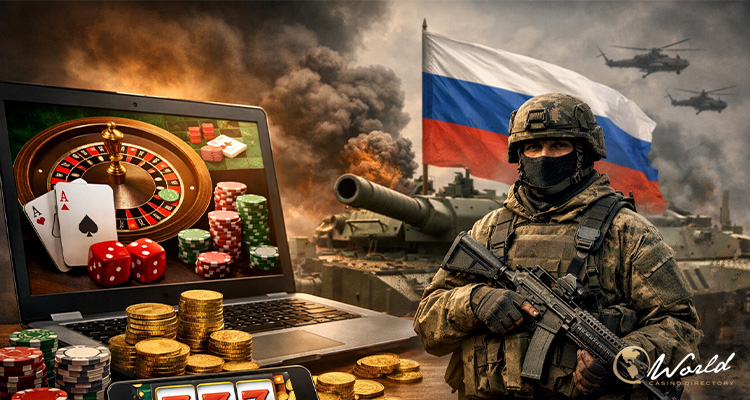
In an effort to bolster state revenues amid a growing budget deficit, Russian Finance Minister Anton Siluanov has proposed the legalization of online casinos. The plan, which was presented to President Vladimir Putin, seeks to provide a new source of income to offset the rising costs of the war against Ukraine. Siluanov’s suggestion, reported by Kommersant, aims to draw illegal online gamblers into the legal market, while also introducing stringent safeguards to curb addiction.
Proposal to Boost State Revenue
Russia’s online gambling market has been illegal since 2009, yet the industry has continued to thrive, with an estimated turnover of 3 trillion rubles ($39 billion) in illicit gambling. In comparison, the legal betting sector, including bookmakers and totalizators, was valued at 1.7 trillion rubles ($22 billion) in 2024. With the government’s increasing pressure to find alternative sources of revenue, Siluanov’s proposal envisions a legal framework that would regulate online casinos through a unified system. This would include a central operator responsible for tracking bets, similar to the structure used for legal bookmakers.
By legalizing online casinos, Russia’s Finance Ministry estimates that approximately 100 billion rubles (about $1.3 billion) could be generated annually, a much-needed sum for a country grappling with a budget shortfall due to low crude oil prices. As reported by Novaya Gazeta, the proposal suggests a 30% tax on gross gambling revenue, which would be paid monthly by licensed online casinos. Siluanov’s plan also includes a minimum age requirement of 21 for participants, and all bets would be routed through a centralized accounting system.
While the initiative has the potential to inject significant funds into the federal budget, it has also sparked debates about the social consequences of gambling legalization. The explosive growth of online gambling globally has led to increased concerns about gambling addiction, which some experts view as a serious public health issue. Siluanov’s proposal includes measures to mitigate these risks by implementing strict government controls to monitor gambling behavior.
One such safeguard would require the state-designated operator to introduce measures to prevent gambling addiction. This could involve creating individual risk profiles for users, restricting access to certain features, and setting limits on betting sizes and session durations. However, critics argue that the move could disproportionately affect vulnerable groups, particularly pensioners and low-income households. Nikolay Novichkov, a member of the left-leaning A Just Russia party, warned that online casinos might target these demographics, leading to financial loss for those already struggling.
In addition to concerns from lawmakers, the Russian Orthodox Church has expressed opposition to the legalization of online casinos. Vachtang Kipshidze, a senior official, cautioned that such a move could exacerbate addiction problems, harm family welfare, and negatively impact the nation’s demographics.
Government’s Approach to Combating Illegal Gambling
The Russian government has long struggled with curbing illegal gambling operations, which continue to thrive despite the nationwide ban. Authorities have made attempts to block illicit gambling platforms, but the illegal sector remains a substantial part of the market. According to some estimates, the illegal online gambling market in Russia accounts for 20-40% of the overall gambling landscape.
Siluanov’s proposal would seek to address this issue by providing a legal alternative that could potentially reduce the scale of illegal operations. However, critics argue that the presence of online casinos could still fuel demand for illicit gambling, particularly among individuals who are unable to access legal options.
While Putin has yet to officially respond to the proposal, the idea has already stirred considerable debate. Proponents emphasize the potential economic benefits, while opponents highlight the risks posed by addiction and its effects on vulnerable populations. As Russia grapples with ongoing economic challenges, the fate of the proposal remains uncertain.
