

 United States
 Macau, China
 France
 Philippines
 Singapore
 Netherlands
 United Kingdom
 Canada
 Argentina
 Germany
 Estonia
 Peru
 Russia
 Australia
 South Africa
 Nigeria
 Malaysia
 Singapore
 India
 Finland
 China
 Ukraine
 Hong Kong
 Cyprus
 Turkey
 Greece
 Sweden
 South Korea
 Mexico
 Poland
 Ireland lottery results
 New Zealand lottery results
 Puerto Rico lottery results
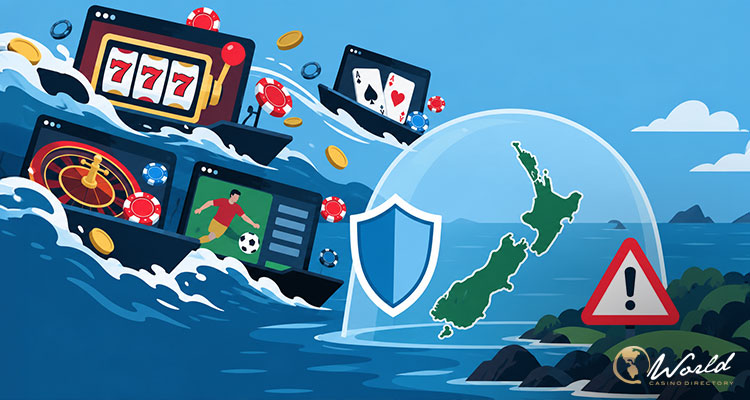
New Zealand’s Problem Gambling Foundation (PGF) has called for a ban on gambling advertising ahead of the country’s regulated online casino launch, warning that offshore operators continue to breach existing restrictions and reach people experiencing gambling-related harm.
Andree Froude, the foundation’s advocacy director, told RNZ’s Morning Report that overseas gambling companies had used social media, influencers and other promotional tactics to attract New Zealand customers despite restrictions on advertising their services.
The warning comes after 11 entities secured the right to apply for New Zealand’s 15 available online casino licenses. The auction generated NZ$15 million, while new advertising requirements for authorized operators are scheduled to take effect in June 2027.
“Advertising works, we know that. That’s why these companies spend so much money on it. But if we’re really serious about preventing harm, then we need to prohibit gambling advertising,” Froude said.
Offshore Operators Continue to Reach New Zealanders
The PGF’s concerns include reports of gambling advertisements reaching people recovering from gambling problems. A former problem gambler told RNZ that advertisements for illegal online casinos continued appearing on their phone during recovery.
Other reports described former gamblers receiving bonus offers intended to encourage them to resume betting after spending several days away from gambling. One person also received substantial gambling-related advertising after searching online for an organization offering gambling-harm support, despite never having visited a gambling website.
Froude said offshore operators had continued to promote their services through channels that circumvent existing restrictions.
“No, those overseas operators actually have been treating our law as optional for quite some time, and we’ve seen a lot of breaches of these advertising rules where they have been using social media,” she said. “They’ve been using even tagging on buildings and walls to promote their offshore sites. They’ve been using influencers. So, they’ve been getting around our laws and flouting our laws for years.”
The foundation argues that the existing rules have failed to prevent offshore companies from advertising to New Zealand audiences. Froude also wants operators’ compliance records to influence decisions on license applications.
“These operators have proved that they haven’t been compliant with laws, so why should we be giving them a license?” she said.
Companies that failed to secure a license and had been operating in New Zealand have been instructed to cease operations by December 1.
Different Advertising Rules Complicate Oversight
New Zealand‘s gambling advertising framework involves the Gambling Act 2003 and the Online Casino Act 2026, both administered by the Department of Internal Affairs (DIA). However, requirements vary across gambling products and operators.
Offshore online casinos are prohibited from advertising to New Zealanders, while TAB and Lotto operate under separate arrangements. The Advertising Standards Authority (ASA) currently oversees gambling advertising matters, with new rules for licensed online casinos due to take effect when their licenses become active in June 2027.
The transition has raised questions about whether regulators can coordinate enforcement effectively. The PGF has held discussions with the DIA to encourage a consistent approach across the different arrangements.
Froude said penalties would have limited value unless the department had sufficient resources to monitor operators and respond to breaches.
“In terms of making sure that these operators comply with our law, having a big penalty, for example, is just a number on a paper if we don’t enforce it. We’ve got to make sure the DIA is resourced to be able to keep an eye on what’s going on with these operators to make sure that they’re complying with our laws,” she said.
She argued that authorities should pursue penalties when companies break the rules, including court action where appropriate. The foundation believes compliance should also be considered during the licensing process rather than addressed only after operators enter the market.
Licence Winners Face Calls for Accountability
The DIA confirmed that 11 applicants emerged successfully from an auction involving 32 bidders and 10 rounds, securing the rights associated with all 15 available licenses.
Stake, Entain, SkyCity, SkillOnNet, LCKY, Rock Swift Group Limited and Christchurch Online NZ were among the successful applicants. Super Group secured three separate rights to introduce brands into the market.
Entain already has a substantial presence in New Zealand through its operation of TAB NZ, the state-owned sports betting monopoly it has managed since 2020. The company also operates Betcha.
In a statement, Entain said customers should know what support is available to help them keep betting fun and safe. The company said it operates under strict rules, invests in safer gambling tools and age controls, and aims to ensure betting remains safe and responsible while returning benefits to the community.
The PGF nevertheless wants authorities to take a stricter approach to gambling promotion. Froude has cited the World Health Organization’s position that prohibiting gambling advertising is an essential first step towards reducing gambling-related public health harm.
