

 United States
 Macau, China
 France
 Philippines
 Singapore
 Netherlands
 United Kingdom
 Canada
 Argentina
 Germany
 Estonia
 Peru
 Russia
 Australia
 South Africa
 Nigeria
 Malaysia
 Singapore
 India
 Finland
 China
 Ukraine
 Hong Kong
 Cyprus
 Turkey
 Greece
 Sweden
 South Korea
 Mexico
 Poland
 Ireland lottery results
 New Zealand lottery results
 Puerto Rico lottery results
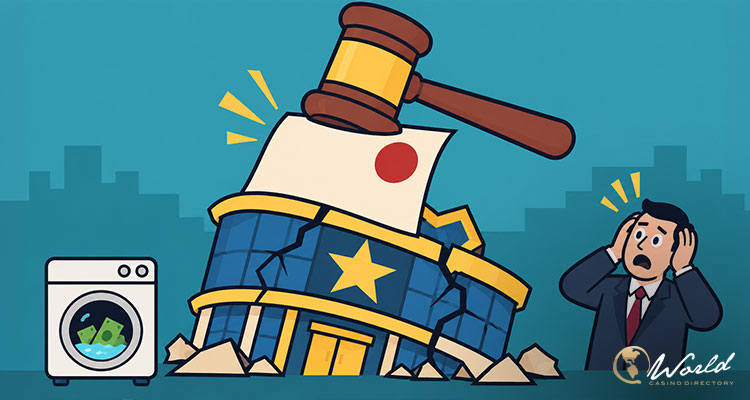
Australia’s financial crime watchdog AUSTRAC has defended the $260 million penalty imposed on Star Entertainment, with chief executive Brendan Thomas saying he never accepted the casino operator’s argument that a substantial fine would push the company into insolvency.
The Federal Court ordered Star to pay the penalty last week, concluding a civil enforcement case that AUSTRAC initiated in 2022 over widespread anti-money laundering (AML) and counter-terrorism financing failures. The amount represents a compromise between the regulator’s request for $400 million and Star’s position that it could afford no more than $100 million.
Thomas described the judgment as a significant result after four years of legal proceedings. He also argued that enforcement action against Australia’s major casino operators has reduced the opportunities available to criminals seeking to move illicit funds through the country’s gambling sector.
Star’s latest penalty adds to substantial financial sanctions imposed by state authorities, bringing the company’s total penalties to more than $400 million. Despite its prolonged financial difficulties, the operator has maintained that the latest court ruling will not force it into insolvency.
AUSTRAC Rejects Star’s Financial Arguments
Thomas told the Australian Financial Review (AFR) that AUSTRAC had never accepted Star’s claim that a penalty exceeding $100 million would leave the company unable to continue operating.
Thomas explained that AUSTRAC’s proposed amount reflected the penalties available under its own legislation, while the court could also consider the wider financial consequences Star had already faced. The operator had previously received approximately $200 million in penalties from the Queensland and New South Wales governments.
Thomas welcomed the decision, describing it as “a very strong outcome”. He also pointed to the lasting consequences of the proceedings for the casino operator and those involved in its management.
“Our case has been running for four years, and during that time, their share price has been rock bottom, the people involved in running the company have been through separate proceedings, and I’d say they’ve had irreparable reputational damage done to them because of their involvement in this,” Thomas said. “It’s a tale of a corporate disaster.”
Star chairman Soo Kim also addressed the company’s financial position following the judgment, saying circumstances had changed since June 2025 and the penalty would not result in insolvency.
Kim is also chairman of Bally’s Corporation, Star’s largest investor. Bally’s and the Mathieson family, an established Australian pub and gambling group, helped rescue the casino operator through a $300 million funding arrangement approximately 18 months ago.
Star had spent much of the preceding three years facing the possibility of collapse following regulatory action against its casinos, rising costs and a weaker economic environment. The company also remains subject to special monitoring arrangements at its Sydney and Gold Coast properties.
Money Laundering Failures Triggered Four-Year Legal Battle
AUSTRAC launched its Federal Court proceedings in 2022, alleging that Star had allowed 117 high-risk customers to channel billions of dollars in suspected criminal proceeds through its casinos in Sydney, Brisbane and the Gold Coast.
The regulator’s case included activity involving international junket operators and their high-roller customers. Between November 2016 and October 2020, these players wagered more than $125 billion at Star’s Australian casinos.
Thomas criticized the company’s conduct, arguing that its failures went beyond inadequate oversight of suspicious financial activity. “Their behaviour was egregious. It wasn’t just turning a blind eye to crime. These guys effectively profited from criminals and knew about it, and continued to do it even though they knew about it,” Thomas said.
He also alleged that Star provided incentives for individuals identified by NSW Police as known organized criminals to travel to Queensland and continue gambling.
Star admitted much of the conduct examined during the proceedings. However, the company maintained that its financial circumstances would not allow it to absorb a substantial penalty without risking its future.
The Federal Court’s decision follows another major enforcement action involving Crown Resorts. Crown previously agreed to pay a $450 million penalty over similar anti-money laundering compliance failures.
Thomas said the combined regulatory action against Star and Crown had contributed to changes in the way illicit funds enter Australia’s gambling industry.
Both casino groups have undergone ownership changes and management restructuring since the regulatory investigations. Meanwhile, the Asian junket operations that previously directed substantial volumes of money into Australian casinos have largely disappeared. Legislative restrictions and the collapse of several junket businesses have contributed to that shift.
