

 United States
 Macau, China
 France
 Philippines
 Singapore
 Netherlands
 United Kingdom
 Canada
 Argentina
 Germany
 Estonia
 Peru
 Russia
 Australia
 South Africa
 Nigeria
 Malaysia
 Singapore
 India
 Finland
 China
 Ukraine
 Hong Kong
 Cyprus
 Turkey
 Greece
 Sweden
 South Korea
 Mexico
 Poland
 Ireland lottery results
 New Zealand lottery results
 Puerto Rico lottery results
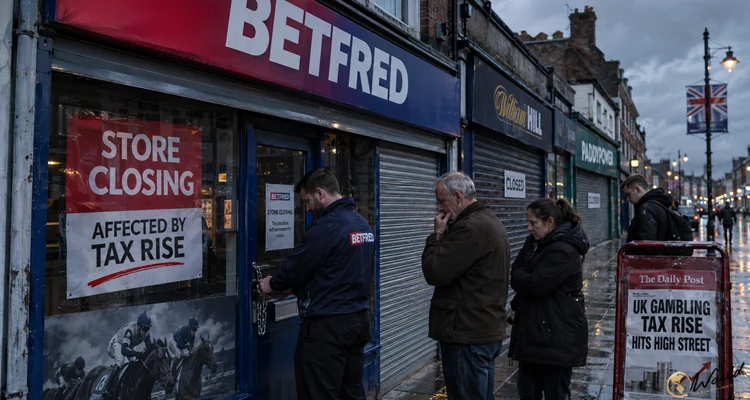
Betfred is preparing to close another 73 betting shops across the UK, putting approximately 365 jobs at risk as rising gambling taxes and higher operating expenses continue to weigh on the bookmaker. The latest cuts will reduce its retail estate from 1,094 locations to 1,021, adding to a restructuring process that has already resulted in 132 announced closures since July.
The additional shutdowns bring the number of Betfred shops affected within four months to 205. The company confirmed the latest developments to SBC News, with chief executive Joanne Whittaker attributing the decision to successive tax increases and mounting employment costs.
The latest announcement follows the UK government’s decision in its October 28 Autumn Budget to increase Machine Games Duty (MGD) from 20% to 25%. The tax applies to gaming machines operating in betting shops and represents another financial challenge for land-based bookmakers.
Whittaker said the company had begun consulting employees at more than 70 locations over the proposed closures.
“Successive tax rises – the most recent being the increase to machine games duty in the budget – and persistently higher employment costs have forced us once again to review the size of our retail estate,” Whittaker explained.
“The cumulative impact of government policy has given us no choice but to shrink it further. These shops are important parts of high street communities, and it pains us to close any of them. Our priority now is to support affected colleagues through this very difficult time.”
The latest reduction represents a further contraction for the bookmaker, which was founded by Fred Done. Betfred operated 1,680 shops at its 2017 peak, meaning its estate will have declined by approximately 39% once the planned closures take effect.
Higher Gambling Duties Accelerate Retail Contraction
The increase in MGD formed part of a broader series of tax changes affecting the UK gambling sector. The government had already announced substantial increases to duties on online gambling in its 2025 Budget.
Remote Gaming Duty rose from 21% to 40% in April 2026, while General Betting Duty on online wagers is scheduled to increase from 15% to 25% in April 2027. Horseracing bets have been exempted from the latter change.
The Betting and Gaming Council (BGC) previously estimated that more than 600 betting shops had closed or were expected to shut following the government’s tax announcements.
Betfred had warned about the potential consequences of the MGD increase before the latest closures. According to the company’s financial modelling, the higher rate could turn 284 of its remaining shops into loss-making operations.
The government opted for a five-percentage-point increase rather than the 40% rate previously proposed by the Social Market Foundation think-tank. The revised measure also includes a threshold intended to protect pubs and seaside arcades from the higher charge.
The Office for Budget Responsibility estimates that the increased duty on higher-stakes gaming machines will generate approximately £100 million annually from next April.
The machines have attracted particular scrutiny from gambling reform campaigners because of concerns about their potential association with harmful gambling. Vicky Foxcroft, appointed as the minister responsible for the sector in August, has described gambling addiction as “a public health emergency”.
Fixed-odds betting terminals have historically been a central focus of these discussions. Their maximum permitted stake was reduced from £100 to £2 in 2019 following sustained pressure from campaigners, who had previously described the machines as the “crack cocaine” of gambling.
Before the latest Budget, Done warned that a 40% MGD rate would force Betfred to close approximately half of its 1,094 shops. In September, he estimated that shutting 495 locations would eliminate 2,575 jobs and reduce the company’s tax contributions by £67 million.
The bookmaker’s latest announcement indicates that the financial pressures are already prompting further adjustments to its physical operations.
Horse Racing and Other Sports Face Financial Consequences
The planned closures will also affect the British horseracing industry, which receives financial support from betting operators through media rights agreements and levy contributions.
Each Betfred shop contributes an average of approximately £32,000 through these payments. The closure of 73 additional locations is therefore expected to reduce annual payments to racing by around £2.3 million.
The latest cuts follow another setback for the sport earlier in November, when Betfred confirmed it would discontinue its sponsorship of the five British Classics. The agreement covered some of the most prominent events in British flat racing, including the Epsom Derby.
Done has repeatedly warned that increased gambling taxes would damage the relationship between betting operators and horseracing. The company had already faced criticism over its decision to withdraw from sponsorship arrangements, with the latest changes adding to concerns about the sport’s future commercial income.
Other sporting partnerships have also been affected by Betfred’s financial retrenchment. The bookmaker recently ended its near-decade-long relationship as headline sponsor of rugby league’s Super League.
Done has been an outspoken critic of the government’s gambling tax policy, arguing that higher duties would undermine the economics of licensed betting businesses. His warnings have attracted criticism from former Paddy Power chief Stewart Kenny, who accused the Betfred founder of “scaremongering” over the possible consequences of tax increases.
Betfred is also part of a wider industry facing pressure to reduce costs following the government’s previous Budget measures.
Flutter, the owner of Paddy Power, announced in October that it intended to reduce its UK and Ireland workforce by approximately 15% as it sought to offset higher online gambling taxes. Entain, which owns Ladbrokes, also announced plans in September to eliminate up to 400 positions, citing “an increasingly challenging operating environment”.
Meanwhile, Evoke, the owner of William Hill, put itself up for sale following the previous year’s Budget. The company agreed to a £243 million takeover by gaming operator Bally’s Intralot in June.
