

 United States
 Macau, China
 France
 Philippines
 Singapore
 Netherlands
 United Kingdom
 Canada
 Argentina
 Germany
 Estonia
 Peru
Peru Russia
 Australia
 South Africa
 Nigeria
 Malaysia
 Singapore
 India
India Finland
 China
China Ukraine
 Hong Kong
 Cyprus
 Turkey
 Greece
 Sweden
 South Korea
 Mexico
 Poland
 Ireland lottery results
 New Zealand lottery results
 Puerto Rico lottery results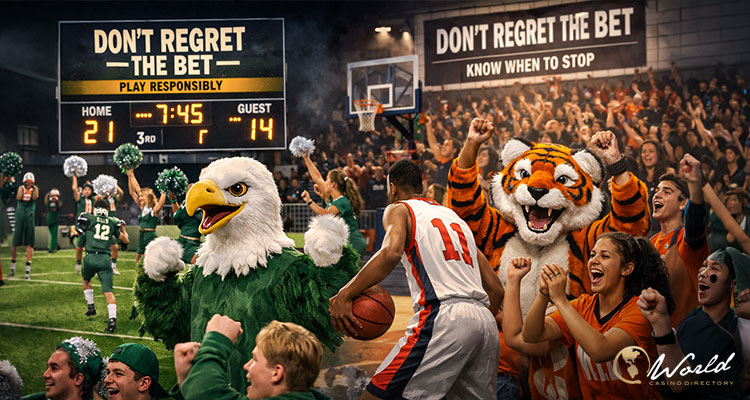
The Michigan Gaming Control Board (MGCB) has broadened the scope of its responsible gambling outreach by opening participation in its “Don’t Regret the Bet” campaign to high school sports booster clubs across the state. The initiative seeks to connect local school communities with responsible gaming education while offering financial support to athletic programs.
The program allows eligible booster organizations to display responsible gambling messages tied to the campaign at sporting events and through community outreach channels. In return, participating groups may earn up to $4,000 by promoting the materials and helping raise awareness about the risks associated with gambling.
State officials say the expanded effort addresses the growing visibility of betting promotions in sports-related environments, particularly as sports wagering becomes more widely discussed and marketed across media and digital platforms.
Partnership With School Communities
The program invites school-affiliated nonprofit booster organizations to distribute messaging connected to the “Don’t Regret the Bet” campaign in various locations linked to athletic activities. These placements can include printed materials at games, digital posts on social media platforms, or messaging included in newsletters and event programs.
Participating groups may also display campaign graphics on stadium scoreboards or at school sporting venues. The MGCB has prepared advertising materials and program guidelines to help clubs implement the messaging within their existing activities.
The regulator views booster organizations as trusted community groups that maintain strong relationships with students and families. Officials say this connection positions them well to introduce responsible gaming conversations within school environments.
Henry Williams, executive director of the MGCB, explained the importance of community involvement in the program.
“Responsible gaming education isn’t just good practice — it’s critical for protecting Michigan’s youth in an era where betting content is everywhere,” Williams said. “Booster clubs are deeply trusted in their communities, making them ideal partners to reinforce positive behaviors while generating funds for their programs.”
The initiative requires booster clubs to submit an application and confirm that they will display campaign materials that meet the regulator’s guidelines. Only school-affiliated organizations with nonprofit status qualify for participation.
Research Highlights Youth Exposure to Gambling Ads
The expanded campaign arrives at a time when regulators and researchers continue to examine how gambling marketing reaches younger audiences. Studies referenced by the MGCB suggest that teenagers frequently encounter sports betting promotions across multiple media channels, including televised sports events and social platforms.
One study conducted by the University of Michigan C.S. Mott Children’s Hospital found that concerns about youth gambling are already present among many families. According to that research, one in six parents of teenagers believes their child could be developing a gambling problem.
Regulators also pointed to findings showing that adolescents often recall multiple betting advertisements each week. Awareness of responsible gambling resources, however, appears significantly lower.
These patterns have raised concerns that repeated exposure to sports betting promotions may increase interest in gambling among young audiences and contribute to the normalization of wagering activities.
The MGCB’s program aims to introduce responsible gaming messages in environments where students and families already gather, such as school sporting events. Officials say this approach allows educational messaging to reach communities in a familiar setting.
Supporting Athletic Programs While Promoting Awareness
Beyond its educational goals, the campaign also provides financial support for local athletic programs. Booster clubs that participate in the initiative may receive funding of up to $4,000 depending on their involvement and outreach activities.
The MGCB designed the program to allow clubs to integrate campaign messaging into activities they already organize, including fundraising events and sports competitions. Officials say the structure allows schools to benefit financially while helping deliver information about gambling risks.
Advertising placements can include posters, digital graphics, social media posts, printed programs, or scoreboard displays. Clubs may also incorporate campaign messaging into email newsletters and community outreach initiatives connected to athletics.
Officials say the program reflects a broader effort to balance the presence of gambling promotions with educational messaging designed to encourage responsible behavior.
The campaign itself has already gained national recognition. In 2025, the “Don’t Regret the Bet” initiative was named a finalist in two categories at the PRNEWS Platinum Awards, which recognize achievements in public relations and communications.
As published on the MGCB’s website, applications for booster club participation are now open and will be reviewed on a rolling basis. State regulators say the expanded program allows schools to strengthen athletic programs while contributing to broader efforts aimed at raising awareness about responsible gambling.
