

 United States
 Macau, China
 France
 Philippines
 Singapore
 Netherlands
 United Kingdom
 Canada
 Argentina
 Germany
 Estonia
 Peru
Peru Russia
 Australia
 South Africa
 Nigeria
 Malaysia
 Singapore
 India
India Finland
 China
China Ukraine
 Hong Kong
 Cyprus
 Turkey
 Greece
 Sweden
 South Korea
 Mexico
 Poland
 Ireland lottery results
 New Zealand lottery results
 Puerto Rico lottery results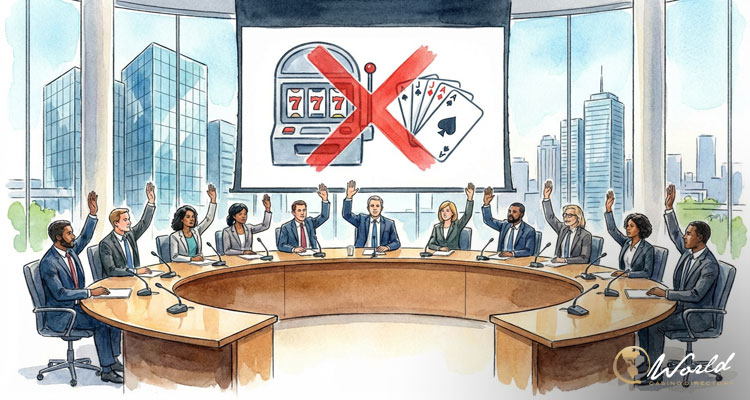
Fairfax County, Virginia, leaders again found themselves divided over the question of whether state lawmakers should authorize a casino within county boundaries. A narrow majority voted to register formal opposition before the next General Assembly session, emphasizing concerns about local authority, financial arrangements, and the way earlier proposals emerged in Richmond.
The latest debate occurred as supervisors approved Chair Jeff McKay’s letter laying out the county’s objections and adopted an amendment adding a statement against casino legislation to the 2026 legislative package. The vote came just weeks before lawmakers return to Richmond on Jan. 14, and it reflects growing urgency among supervisors who believe another casino bill will reappear in the upcoming session.
Officials Question Process Behind Recent Casino Efforts
The discussion began with frustration over how past proposals originated. Supervisors pointed to efforts earlier in the year to place a casino in Tysons—initiatives that were paused in the House of Delegates even as interest continued in the Senate. McKay said the situation highlighted a recurring issue with how casino legislation reaches localities.
“Folks have pushed for the Board to simply be either in favor of or against a casino, however, the issue is far more nuanced,” he said. He also stated that “We are not happy that casino proposals are created in a vacuum in Richmond far away from those most impacted.”
Supervisors raised concerns about the absence of clear bill language, financial analysis, or community engagement. McKay said, “Where is the bill? Where is the language? Where is the communication with the community, analysis of impacts, analysis of financial pros and cons of this? We have none of that.”
The board ultimately approved transmitting the letter by a 5–4 vote, with members expressing a mixture of caution and skepticism. While some supervisors said they were not taking a definitive stance on the merits of a casino, they insisted that any proposal must undergo a transparent review. Several emphasized that voters should have the final say through a referendum.
Opposition Emerges Over Economic and Land-Use Impacts
According to WTOP, Hunter Mill District Supervisor Walter Alcorn introduced the amendment opposing new casino legislation unless specific conditions were met, including a revenue structure that favors the county and the establishment of a statewide gaming commission. He said the “revenue split is tilted more toward the Commonwealth and less toward local government,” and warned that placing a casino in Tysons could disrupt the area’s development. He added that Tysons “is really the economic engine for, not just the county, but … the entire Commonwealth.”
Several supervisors echoed those concerns. Rodney Lusk said, “Tysons is the number-one business center in the commonwealth,” and questioned how a casino might affect that position. Others warned about potential impacts on nearby property owners and ongoing redevelopment projects. Alcorn said that stakeholders he has spoken with “are worried” about the direction the county could take.
Not all supervisors agreed with adding the opposition language. Pat Herrity said he was still studying whether an entertainment district that includes a casino might work, explaining, “I’m not sold on a casino one way or another, I’ve done some pretty significant research.” He favored keeping options open until a complete review is conducted. Some opposing members also argued against making a late change to the legislative package.
Continued Interest in Richmond Sets Stage for Future Debate
Despite local opposition, lawmakers in Richmond intend to revisit the idea. Past proposals envisioned a site near the Spring Hill Metro Station off Leesburg Pike. Recent bills also included location and development criteria tied to nearby transportation and mixed-use areas.
Senate Majority Leader Scott Surovell has previously indicated that similar legislation will return in 2026, arguing that the county faces shrinking commercial tax revenue and may need new sources of funding. Other Northern Virginia lawmakers, such as Sen. Jennifer Boysko, continue to oppose the concept, citing strong feedback from residents.
Supervisors expect that any plan returning from Richmond must include a referendum and grant authority to local officials to determine how it is conducted. McKay reiterated that, saying any future bill must contain “the necessary protections for our community.”
The board’s actions signal that the debate over a Fairfax County casino is far from settled. As the legislative session approaches, county leaders are preparing for another round of discussions on a topic that remains one of the region’s most contentious development questions.